Warsaw Travel Guide: Not as boring as you think
Warsaw is like a phoenix risen from the ashes. Once hailed as the Paris of the North, the city was almost completely obliterated during the Second World War, then rebuilt through the grey decades of communism, and has now emerged as one of Europe’s most exciting up-and-coming capitals.
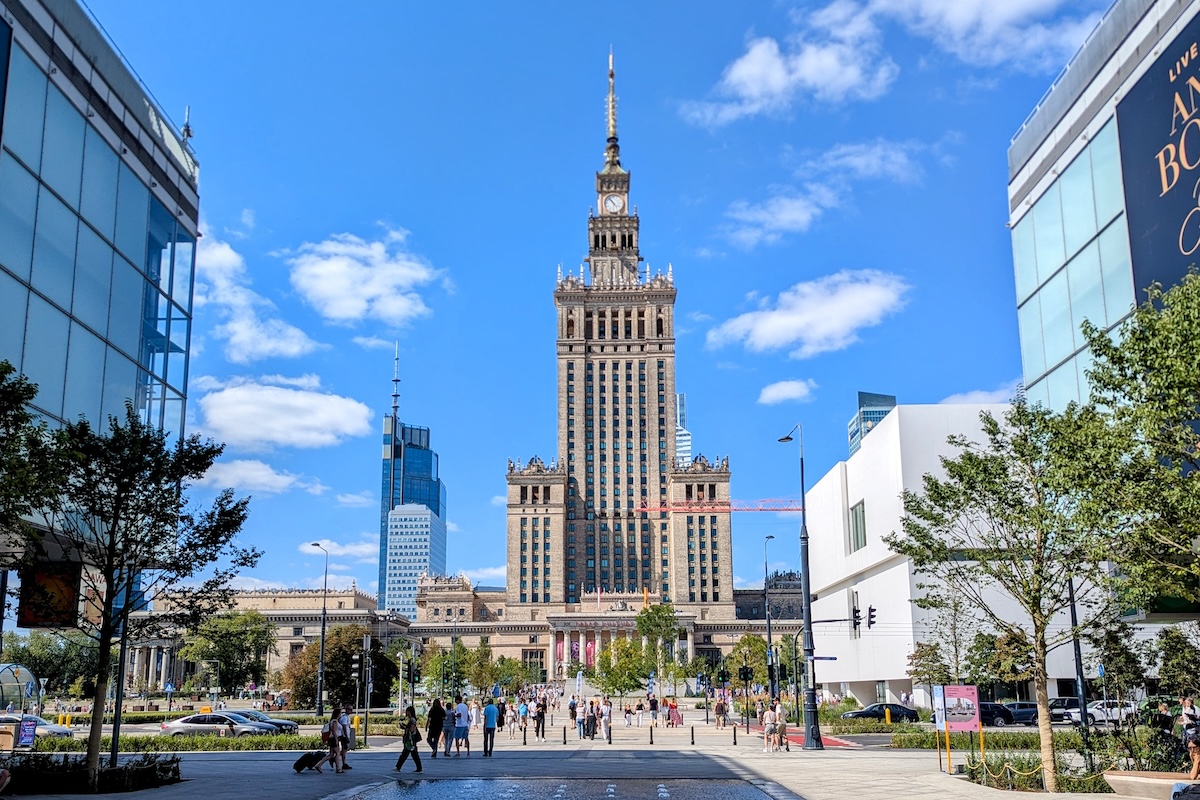
This is a city that wears every chapter of its history at once. At first glance you notice the gleaming modern skyscrapers, including the tallest building in the European Union. Look closer and you’ll spot stern communist-era blocks standing shoulder to shoulder with them, and scattered between the two are crumbling red-brick tenements and lovingly revived Art Nouveau facades that somehow survived the bombs. Then there’s the Old Town, painstakingly rebuilt to look exactly as it did in its 17th-century golden age.
Warsaw is a thoroughly modern city that refuses to hide from its past, and that contrast is precisely what makes it so fascinating to explore. While it’s often overshadowed as a tourist destination by the former royal capital of Krakow, Warsaw is fast growing into a destination in its own right.
Having led a dozen tours through the city, and now lived here for the past two years, I’ve learnt what’s genuinely worth your time and what isn’t. This Warsaw travel guide is built around the must-do experiences that bring the city to life, along with exactly how I’d structure two or three days here.
For the bigger picture on the country, see my complete Poland travel guide.
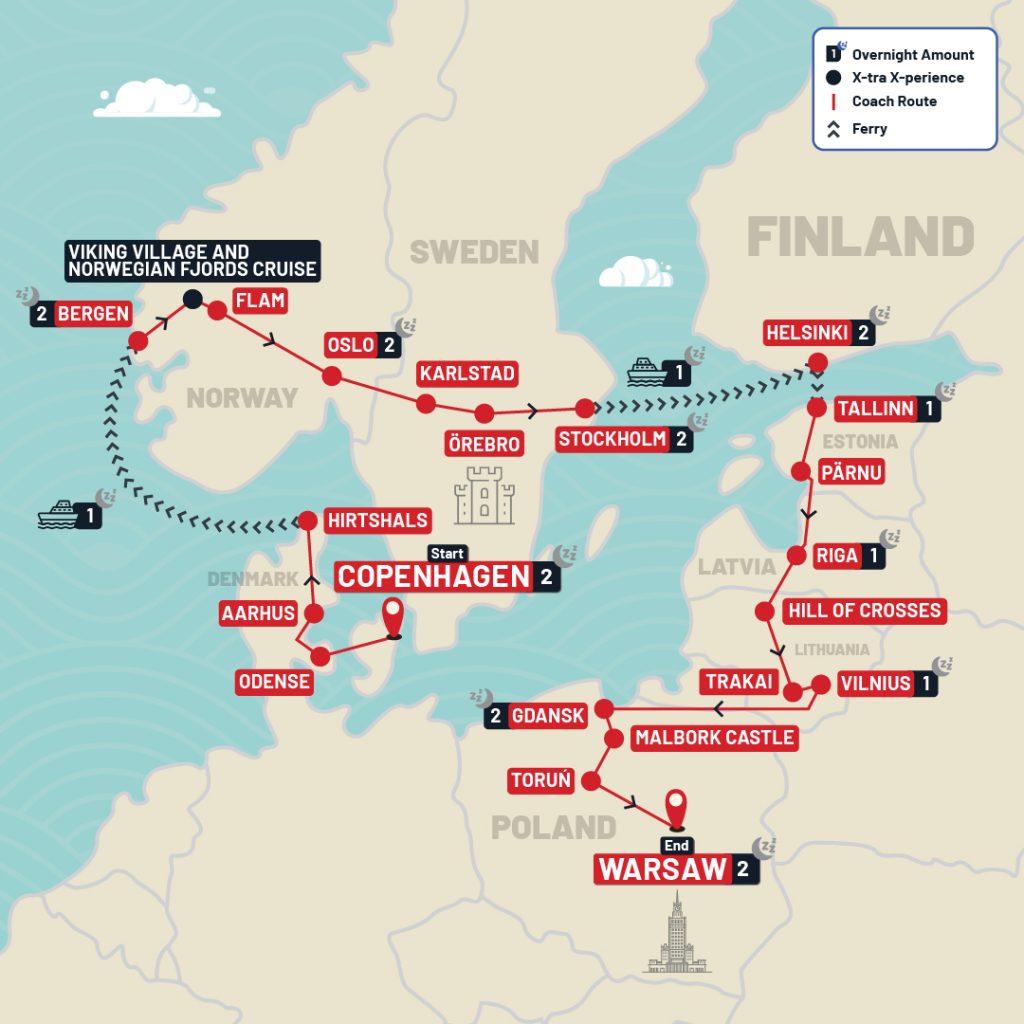
To visit Warsaw as part of a group tour, see Expat Explore’s Best of Scandinavia & the Baltics Tour.
20 days starting in Copenhagen, finishing in Warsaw; or 10 days starting in Helsinki also available.
Get 5% off when using my promo code TOURLEADERSJOURNAL
A Brief History of Warsaw
You can’t understand Warsaw without understanding its history. More than perhaps any city in Europe, the story of Warsaw is written into its streets, so here’s the whistle-stop version I give my groups.
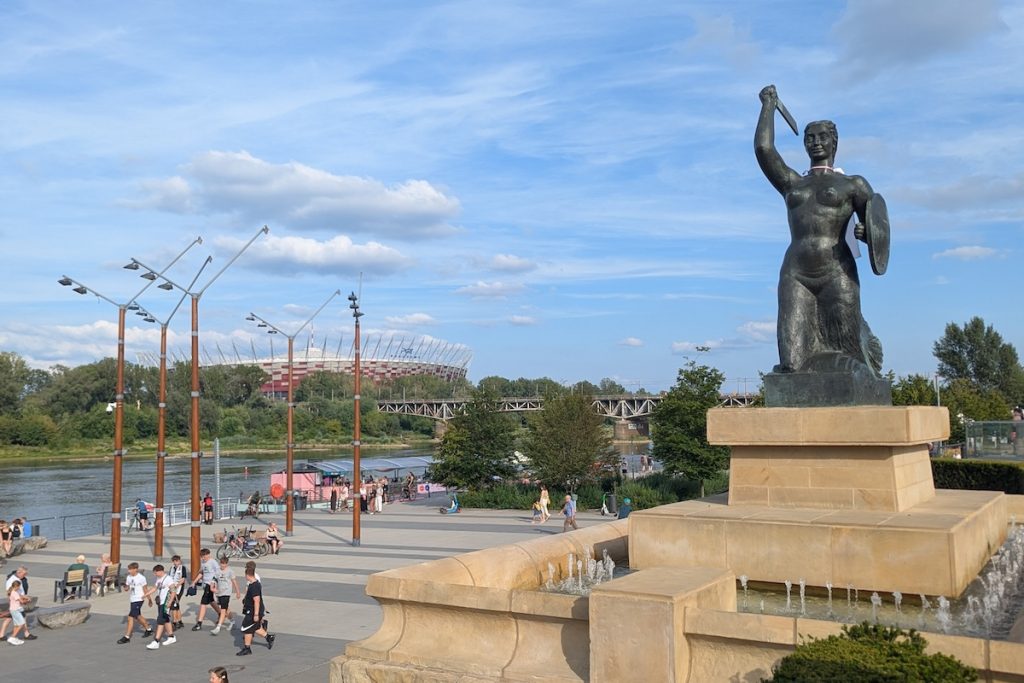
The Legend of Wars and Sawa – Like all great cities, Warsaw has an origin myth. The story goes that a fisherman named Wars and a mermaid named Sawa fell in love, and the city grew from their union, giving Warsaw its name (Warszawa in Polish). The mermaid remains the very symbol of the city to this day, and you’ll find her, sword and shield raised, on the city’s coat of arms and on a famous statue in the Old Town Market Square. It’s why Warsaw, a city hundreds of kilometres from the sea, has a mermaid as its guardian.
Capital of Mazovia – Warsaw began life as a modest settlement and grew into the seat of the Dukes of Mazovia during the medieval period. It was well positioned on the Vistula River, at the crossroads of trade routes, and slowly grew in importance throughout the 14th and 15th centuries.
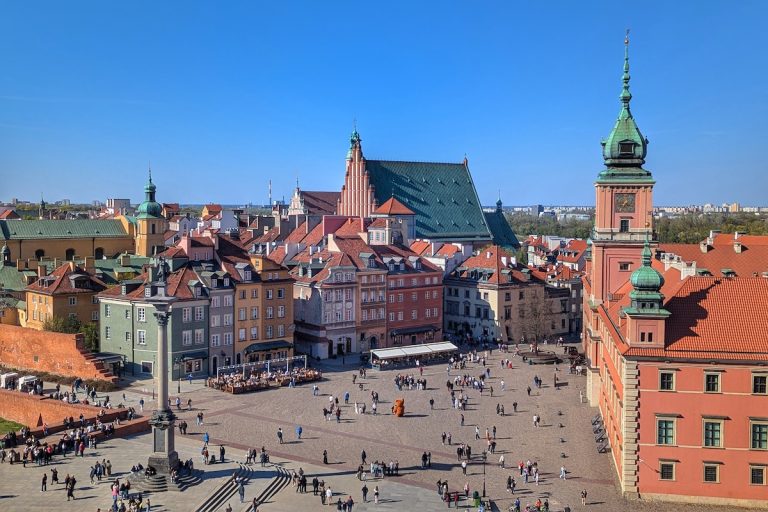
Becoming the Royal Capital – Warsaw’s big moment came in the late 16th century. Following the union of Poland and Lithuania, the capital was moved from Krakow to Warsaw around 1596 under King Sigismund III Vasa, because Warsaw sat far more centrally within the vast Polish-Lithuanian Commonwealth. The king’s column still stands as the centrepiece of Castle Square at the entrance to the Old Town. This ushered in Warsaw’s golden age, the era the Old Town was later rebuilt to reflect.
Partition – Warsaw’s fortunes turned with Poland’s. As the Commonwealth declined in the 18th century, the neighbouring powers of Russia, Prussia and Austria carved the country up between them, and by 1795 Poland had vanished from the map entirely. Warsaw spent the following century largely under Russian control, though it remained a hotbed of Polish culture and repeated uprisings against foreign rule.
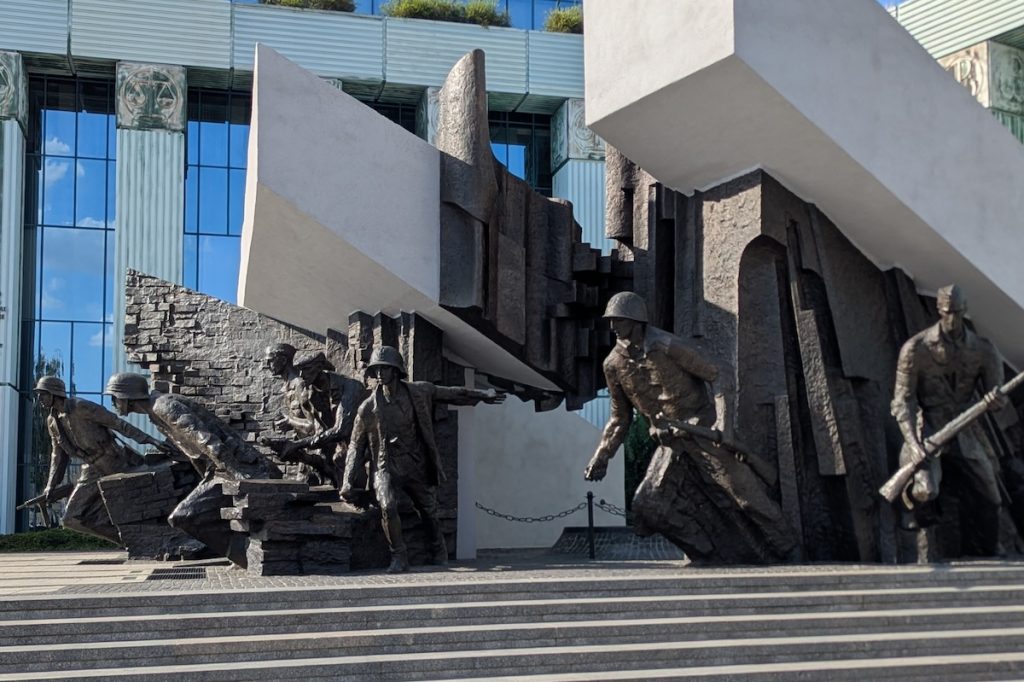
Rebirth and the Interwar Years – When Poland regained independence in 1918 after 123 years, Warsaw once again became the capital of a sovereign nation. The interwar period was a flourishing time, and it was in this era that Warsaw earned its nickname as the Paris of the North, a sophisticated, cultured European capital of grand boulevards and café society.
The Second World War – Then came catastrophe. The German invasion of Poland in 1939 began the Second World War, and Warsaw suffered as few cities ever have. The Warsaw Ghetto, into which the city’s Jewish population was sealed, saw the Ghetto Uprising of 1943. The following year came the Warsaw Uprising of 1944, when the Polish Home Army rose against the German occupation in the single largest resistance operation of the entire war. It was brutally crushed. In retaliation, the Germans systematically demolished what remained of the city, block by block. By the war’s end, Warsaw was somewhere between 85 and 90 per cent destroyed, essentially wiped from the earth.
The Communist Era and the Great Rebuilding – After the war, Poland fell under Soviet control, and Warsaw was rebuilt as a communist city. This is where the story becomes remarkable. Rather than bulldoze the ruins and start again, the Poles made the extraordinary decision to rebuild their Old Town exactly as it had been, using old paintings, photographs and architectural drawings. The reconstruction was so faithful and so unprecedented that UNESCO later added the rebuilt Old Town to its World Heritage list, not despite it being a reconstruction, but because of it. Alongside this, the era left its own mark, most imposingly the Palace of Culture and Science, a “gift” from Stalin that still dominates the skyline and still divides opinion among locals.
Warsaw Today – Since the fall of communism in 1989 and Poland’s entry into the European Union in 2004, Warsaw has transformed at breathtaking speed. Glass towers have shot up around the Palace of Culture, the riverbanks have been reborn as buzzing public spaces, and a confident, modern, creative city has emerged, one that has finally begun to step out of Krakow’s shadow. The phoenix has well and truly risen.
Warsaw Travel Guide: Best Things to Do in Warsaw
Warsaw rewards the curious traveller. Here are the experiences I take my groups to, the ones that genuinely capture what this reborn city is about, told through its layers of old and new.
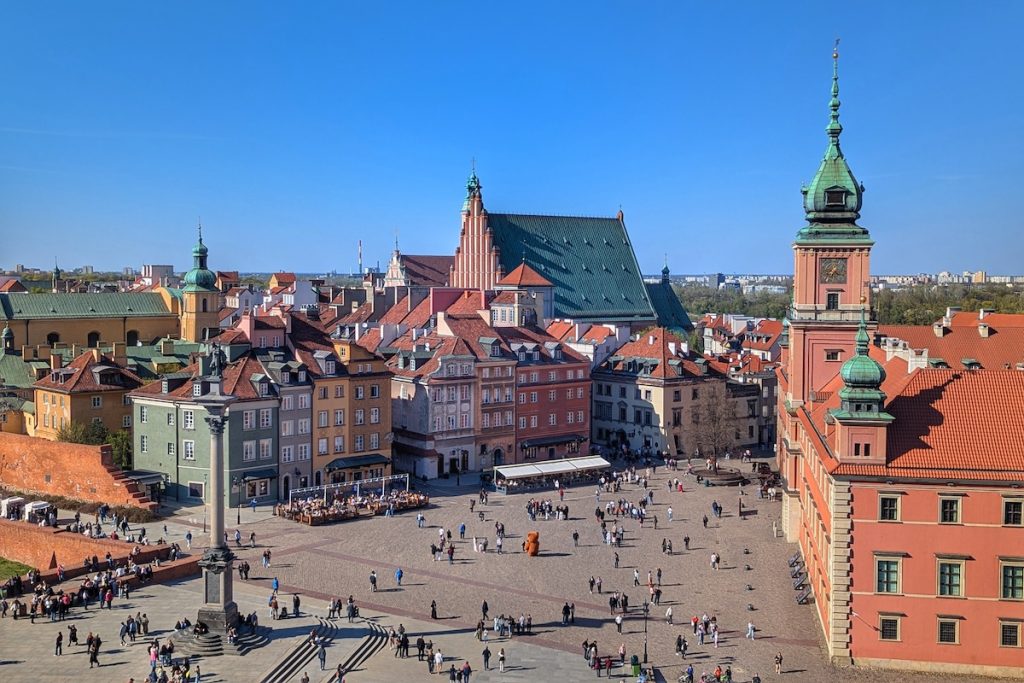
Explore the Old Town (Stare Miasto)
Start where Warsaw’s story is most vividly told. The Old Town is the reconstructed heart of the city, and knowing it was almost entirely rebuilt from rubble makes wandering its cobbled lanes all the more astonishing. A walking tour is the best introduction, taking in Castle Square and the column of King Sigismund, the colourful merchant houses of the Old Town Market Square, the mermaid statue, and the medieval barbican and city walls.
Within the Old Town and nearby you’ll find several worthwhile stops. The Royal Castle has been restored to its former glory and its opulent state rooms are well worth touring. The Museum of Warsaw, on the market square, tells the city’s story through objects. And just outside the Old Town proper, in what was historically the New Town (not to be confused with the modern city centre), is the Marie Curie Museum, dedicated to Warsaw’s most famous daughter, the only person ever to win Nobel Prizes in two different sciences. In the evening, catch a Chopin concert, an intimate piano recital of the composer’s works, the perfect way to experience the Old Town after dark.
Warsaw Rising Museum
If you visit one museum in Warsaw, make it this one. The Warsaw Rising Museum tells the story of the 1944 Uprising with tremendous power and emotion, and it’s essential context for understanding everything else you see in the city. Visit this early in your trip, understand what happened to Warsaw, and everything that was rebuilt afterwards takes on far deeper meaning. It’s moving, immersive and world-class.
Discover the Modern City Centre
This is where Warsaw’s contemporary phoenix identity comes alive. The Palace of Culture and Science, Stalin’s controversial gift to Poland, remains the city’s most recognisable landmark. Take the lift to its observation terrace, or better still, tour the building to appreciate its sheer scale and strange history.
For the modern counterpoint, head to the Varso Tower, the tallest building in the European Union, whose viewpoint offers a spectacular panorama across the whole city, old and new laid out beneath you. Standing between these two towers, communist monolith and gleaming EU skyscraper, is the single best way to grasp Warsaw’s journey.
Łazienki Park
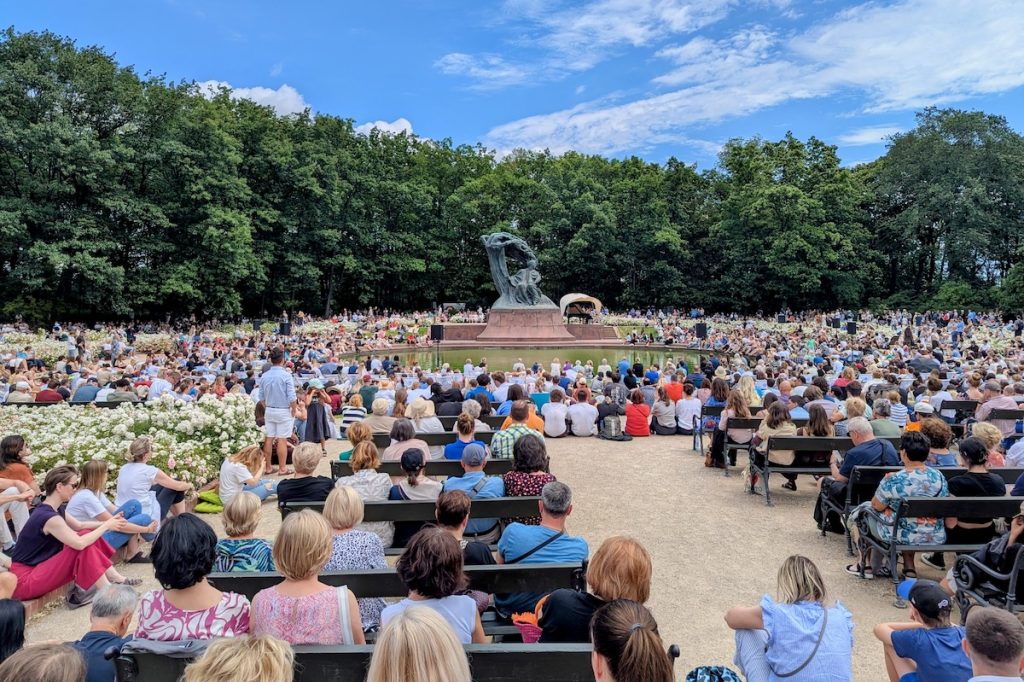
Warsaw’s most beautiful green space is a joy on a warm day. Łazienki is a sprawling royal park dotted with palaces, the highlight being the elegant Palace on the Isle, set on the water. Look out for the park’s famous residents: red squirrels darting through the trees and peacocks strolling the paths. Beneath the grand Chopin Monument, free open-air piano concerts are held on Sunday afternoons through the summer, a wonderfully Warsaw experience, sitting on the grass as Chopin drifts through the park.
Wilanów Palace
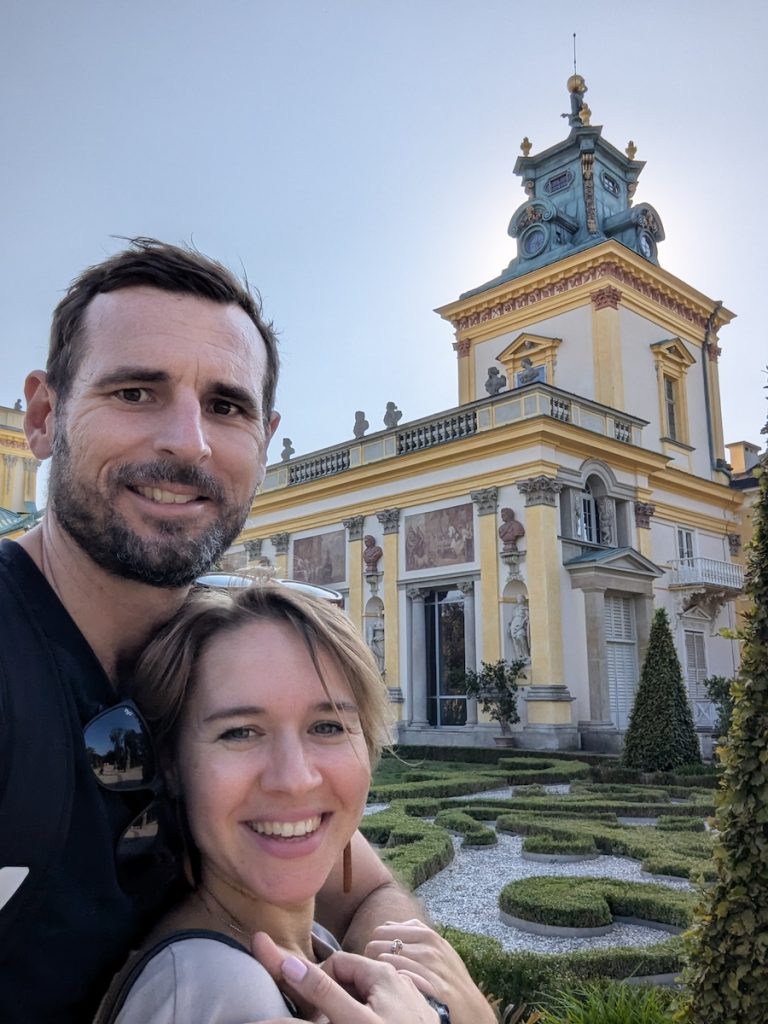
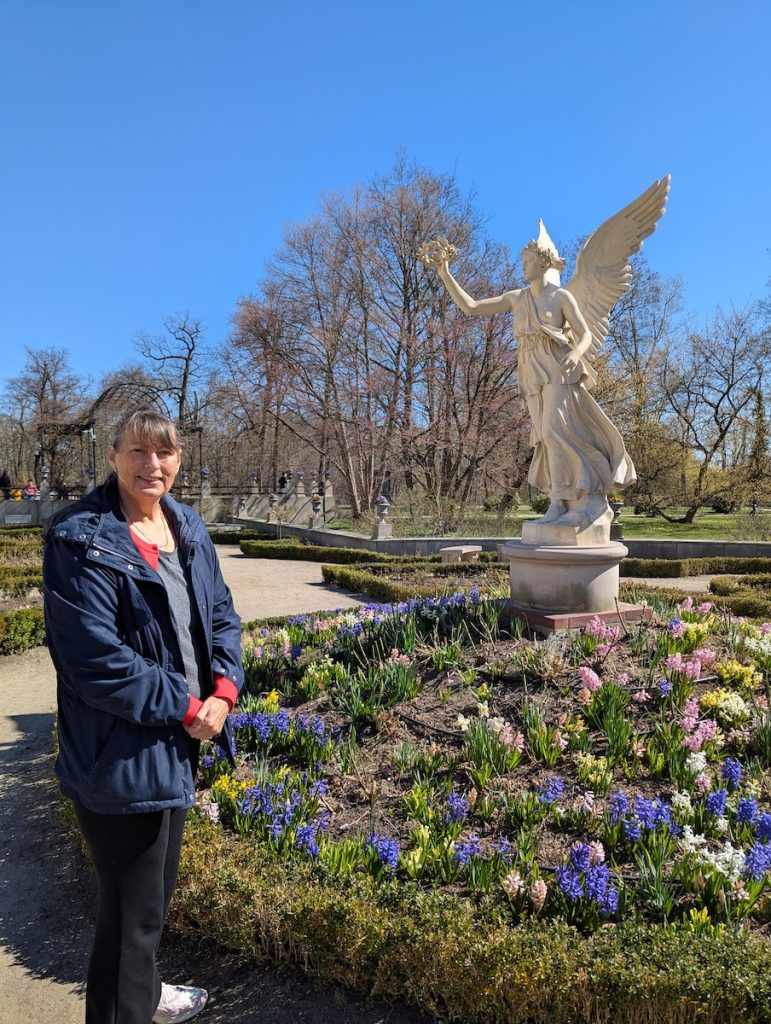
Often called the Polish Versailles, Wilanów is a magnificent baroque royal palace on the city’s southern outskirts, and one of the few royal residences to survive the war intact. Its lavish interiors and manicured gardens offer a glimpse of Poland’s regal past and make for a splendid half-day escape from the city centre.
The Vodka Museum
For something a little different, and quintessentially Polish, the Polish Vodka Museum tells the surprisingly rich story of the nation’s most famous export. Set in the revitalised Praga district, the interactive exhibits trace 500 years of vodka-making, and the visit ends, naturally, with a tasting. It’s good fun and a nice change of pace from palaces and history.
Other Things to Do
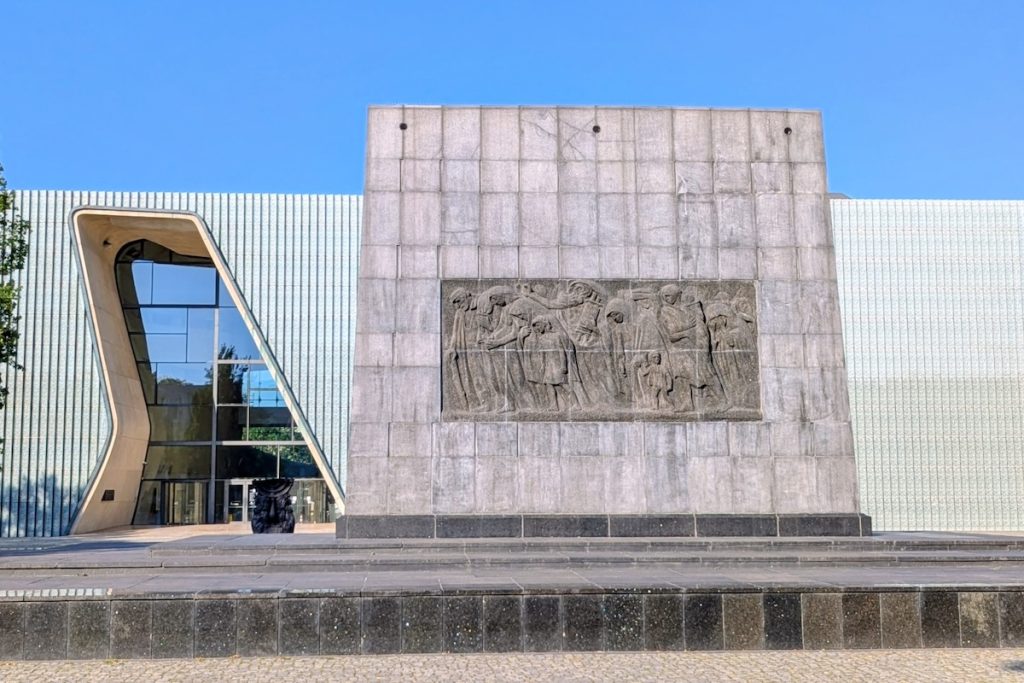
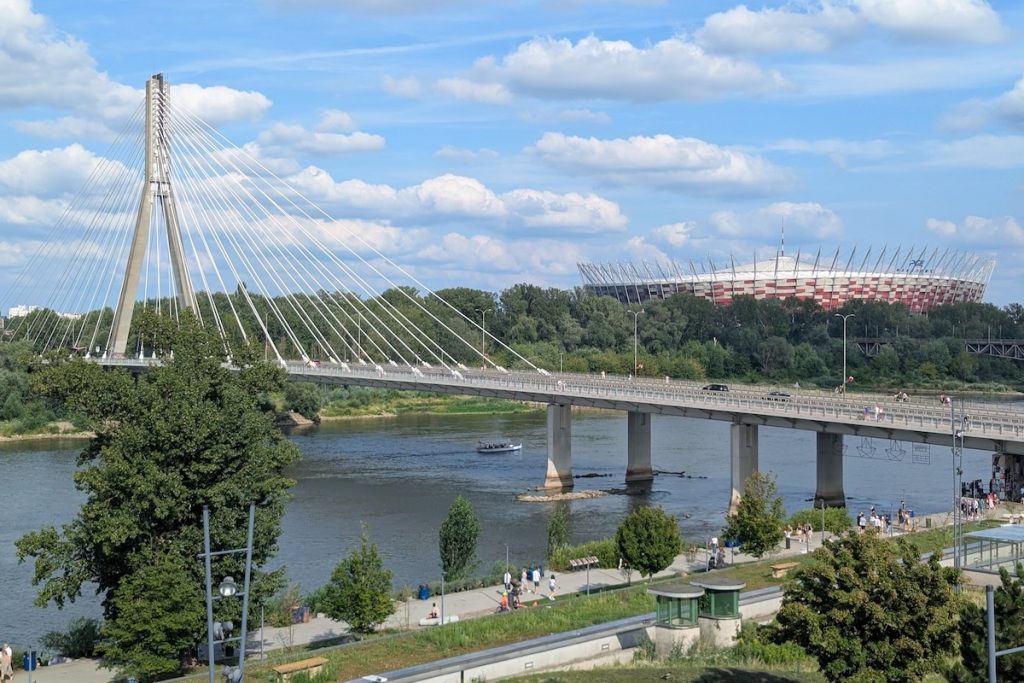
If you have extra time, two more are well worth considering. The POLIN Museum of the History of Polish Jews is a beautifully designed, deeply affecting museum tracing a thousand years of Jewish life in Poland, one of the finest museums in the country. And a cruise on the Vistula River offers a relaxed way to see the city from the water; it’s no Seine, but the views of the castle are lovely, especially at sunset.
The Perfect 3 Days in Warsaw Itinerary
I recommend 3 days in Warsaw to see it at a comfortable pace. If you only have two, simply drop the third day, you’ll still hit the essentials. Here’s how I’d structure it, built around the city’s old-and-new contrasts.
Day 1: The Old Town
- Morning: Take an Old Town walking tour to get your bearings and soak up the reconstructed golden-age streets.
- Lunch: Load up on pierogi at Zapiecek, a reliable Polish classic right in the Old Town.
- Afternoon: Choose your museum, the Royal Castle, the Museum of Warsaw, or the Marie Curie Museum just over in the New Town.
- Evening: Enjoy an intimate Chopin concert in an Old Town setting.
Day 2: Destruction & Rebirth
- Morning: Start at the Warsaw Rising Museum to understand the city’s wartime story.
- Lunch: Head to Fabryka Norblina, a brilliant old-meets-new food hall set in a revitalised former factory, the perfect embodiment of modern Warsaw.
- Afternoon: Tour the Palace of Culture and Science.
- Evening: Take in the view from the Varso Tower as the city lights come on.
Day 3: Royal Heritage
- Morning: Stroll through Łazienki Park, catching the Chopin monument and the Palace on the Isle (and, on a summer Sunday, the free concert).
- Lunch: Try a genuine milk bar. Bar Mleczny Mleczarnia Bagatela isn’t the city’s finest, but it’s within easy walking distance of the park and tourist-friendly, with English ordering screens.
- Afternoon: Visit Wilanów Palace, the Polish Versailles.
- Evening: Explore the southern part of the city, which escaped wartime destruction and retains a genuine pre-war atmosphere. Finish with dinner at Pierogarnia U Kresowiaka, in my opinion the best pierogi in Warsaw.
Got more or less time? Two days covers the Old Town and the destruction-and-rebirth themes if you drop day three. With four days, add the POLIN Museum, a Vistula river cruise, and time to explore the up-and-coming Praga district across the river.
Where to Stay in Warsaw
When deciding where to stay in Warsaw the ideal base is somewhere between the Old Town and the modern city centre, which puts everything within easy reach. The good news is that accommodation in Warsaw is considerably more affordable than in Western Europe, so your money goes a long way here.
Sofitel Warsaw Victoria: Best for Luxury
For five-star facilities in an unbeatable location, the Sofitel is the pick. It’s ideally placed for exploring the Old Town, with the elegant Saxon Gardens right across the road.
Novotel Warszawa Centrum: Best for Mid-Range
My top pick for the mid-budget traveller. It sits directly across from the Palace of Culture and Science and backs onto the Royal Route, with the Old Town in one direction and Łazienki Park and Wilanów in the other. Central, comfortable and excellent value.
Budget Option: Hostels & Aparthotels Around the Centre
Warsaw has a strong range of well-run hostels and budget aparthotels around the city centre and Old Town, many of them modern and excellent value. Chains like ibis are reliable, and the city’s hostel scene is genuinely good.
A word of warning on Airbnb: Warsaw has plenty of apartment rentals, but many are located in old communist-era buildings where rooms can be surprisingly small and cramped. If you go the Airbnb route, check the apartment’s size and photos carefully before booking so you’re not caught out by a shoebox.
Where to Eat in Warsaw
Polish food is hearty, delicious and cheap, and Warsaw is a great place to dig in. For the full rundown on Polish dishes, see my Poland travel guide; here’s where to eat in Warsaw itself.
Zapiecek – A dependable chain of traditional Polish restaurants dotted around the city, serving all the classics in a cheerful setting. It has my Polish fiancée’s tick of approval, which counts for a lot.
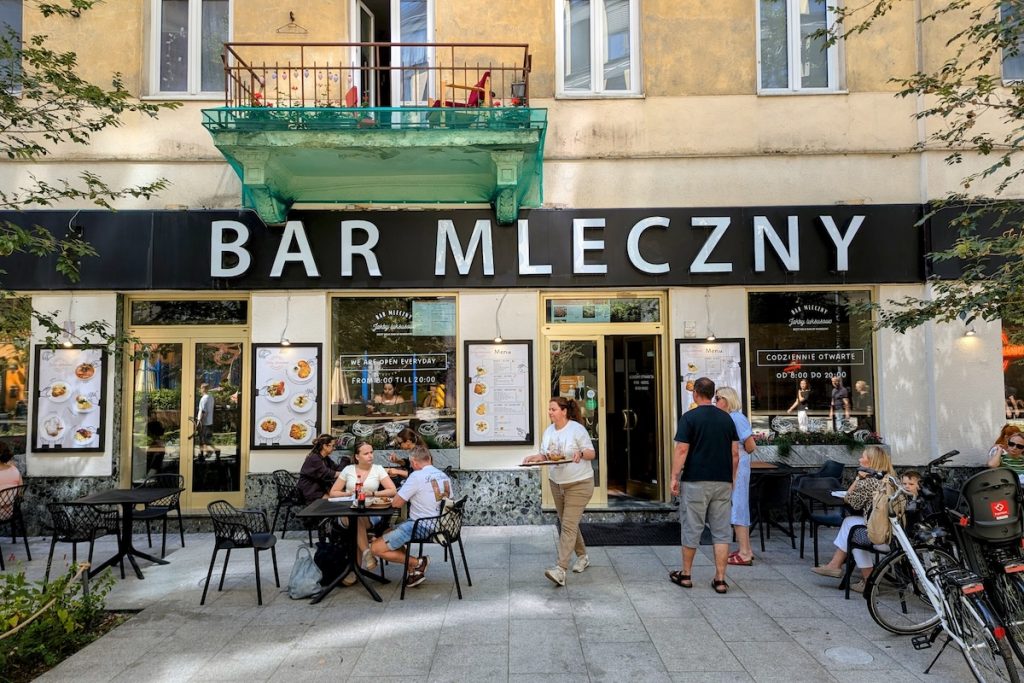
Bar Mleczny (Milk Bar) – The humble milk bar is a state-subsidised canteen and a genuine Polish institution left over from the communist era. Nothing fancy, just cheap, authentic, home-style Polish food. Every visitor should eat in one at least once.
Pierogarnia – A pierogarnia specialises in Poland’s national dish, pierogi. The best I’ve found in Warsaw is Pierogarnia U Kresowiaka, though be aware it’s a very small venue, so timing your visit to avoid the rush helps.
Fabryka Norblina – For something modern, this food hall in a beautifully revitalised former factory is old-meets-new Warsaw on a plate, dozens of food stalls and bars under one industrial roof. A great casual lunch or dinner spot.
Where to Drink in Warsaw
Warsaw’s drinking scene has exploded in recent years and is a highlight in its own right. You’ll find everything from craft-beer multitaps and slick cocktail bars to buzzing riverside spots in summer. The Praga district across the river has become the city’s hub for trendy, alternative bars set in old industrial spaces. And no visit is complete without trying Polish vodka the proper way, chilled, neat, and toasted with a hearty na zdrowie! Around the city centre and Old Town you’ll find plenty of atmospheric spots to do exactly that.
Getting Around Warsaw
Warsaw has an excellent, cheap and modern public transport network.
Metro, trams and buses form an integrated system that’s clean, efficient and very affordable, with tickets costing around €1. You can buy them from machines on metro platforms and at many stops, or onboard trams and buses. The same ticket works across all three modes.
Taxis and rideshare: stick to rideshare apps like Uber or Bolt. Regular street taxis in Warsaw have a reputation for overcharging tourists, whereas Uber and Bolt are cheap, reliable and hassle-free.
Getting to Warsaw
Warsaw is served by two airports, and the difference between them matters.
Warsaw Chopin Airport (WAW) is the main international airport and the one to aim for. It’s close to the city, well connected, and easy to reach by train, bus or a short rideshare. Nearly all major airlines fly here.
Warsaw Modlin Airport (WMI) is the budget airport, used primarily by Ryanair. Be warned: it has a reputation as one of Europe’s worst airports, stuck out in the middle of nowhere well outside the city, with limited transport connections and sparse facilities. If you can possibly help it, fly into Chopin instead, the small saving on a Modlin flight is rarely worth the hassle of getting into the city from there.
Warsaw is also well connected by train, both domestically (Krakow, Gdansk and beyond) and internationally, with the central station right in the heart of the city.
Frequently Asked Questions
Visiting Warsaw on a Guided Tour
To visit Warsaw as part of a group tour, see Expat Explore’s Best of Scandinavia & the Baltics Tour.
20 days starting in Copenhagen, finishing in Warsaw; or 10 days starting in Helsinki also available.
Get 5% off when using my promo code TOURLEADERSJOURNAL
Conclusion
Warsaw is a city unlike any other in Europe, precisely because it should not exist at all. Reduced to rubble and rebuilt from paintings and memory, it stands today as a monument to resilience, a place where a 17th-century market square sits a short walk from the tallest tower in the European Union, and where every layer of a turbulent history remains on display for those willing to look.
That’s the magic of Warsaw. It doesn’t hide its scars, it builds around them, over them, and out of them. For the traveller willing to look past its reputation as Krakow’s quieter sibling, Warsaw offers one of the most rewarding and genuinely moving city breaks on the continent.
The phoenix has risen. Come and see it for yourself.
For more on Poland, explore my complete Poland travel guide, and my upcoming guides to Krakow and Gdansk.