Best of Scandinavia & the Baltics Tour Review – An Insider’s Honest Take
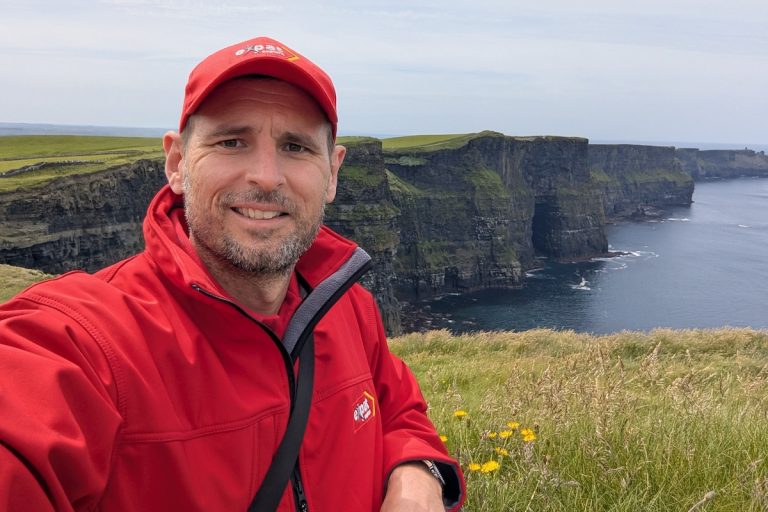
By Matt Grieves — Expat Explore Tour Leader
Picture this: you’re standing on the deck of a ferry, coffee in hand, watching the Norwegian coastline drift past. Tiny wooden houses painted red and yellow dot the islands, their reflections trembling on still water. The fjords haven’t even started yet.
By the time this 20-day journey ends, you’ll have cruised through UNESCO heritage fjords, stumbled down Viking-age cobblestones, eaten lunch in a 15th-century pepper merchant’s house, thrown an axe at a target in a recreated Viking village, and watched a city that was reduced to rubble rise again as one of Europe’s most beautiful old towns.
That’s what Expat Explore’s Best of Scandinavia & the Baltics tour delivers. And I should know — I’ve led this tour more times than I can count.
The question most people ask before booking is a simple one: is this tour worth the money? Scandinavia is one of the most expensive regions in the world, the itinerary spans 8 countries and 20 days, and there are rival tours competing for your attention.
In this review — which goes considerably further than anything you’ll find on the official website — I’ll give you the honest, inside perspective. What the itinerary really feels like day to day. Which optional excursions are genuinely worth it. Why this tour consistently outperforms its closest rival. And crucially, whether it’s right for you.
Quick Overview
The Best of Scandinavia & the Baltics tour is aptly named. It visits every capital in its eight-country sweep, while also squeezing in some hidden gems along the way, such as Orebro, Parnu, Trakai, Gdansk — the kind of places that end up being the unexpected highlights guests talk about most.
Tour Highlights:
- Bergen & the Norwegian Fjords — The most spectacular natural scenery in Northern Europe, including a cruise through UNESCO World Heritage fjords that no photograph does justice
- Stockholm — Scandinavia’s most impressive capital, home to the extraordinary Vasa Museum and the medieval streets of Gamla Stan
- Tallinn — Estonia’s medieval old town, so well preserved it genuinely feels like stepping into the Middle Ages
- The Viking Experience — A recreated Viking village, featuring archery and axe throwing, set on the shores of the breathtaking Nærøyfjord
- Gdansk — Poland’s stunning and criminally underrated Baltic city, where the Second World War began and one of Europe’s most beautiful old town squares awaits
- Malbork Castle — The largest brick castle on Earth, saved until near the end of the tour and worth every minute of the drive
Tour Details:
- Operator: Expat Explore
- Duration: 20 days / 19 nights
- Route: Copenhagen, Denmark → Warsaw, Poland
- Countries: Denmark, Norway, Sweden, Finland, Estonia, Latvia, Lithuania, Poland
- Operates: May – October
- Group size: Up to 50
- If 12 days feels too long, the tour splits into two shorter options:
- Copenhagen to Helsinki (13 days, 4 countries) — Scandinavia focus
- Helsinki to Warsaw (10 days, 5 countries) — Baltics and Poland focus
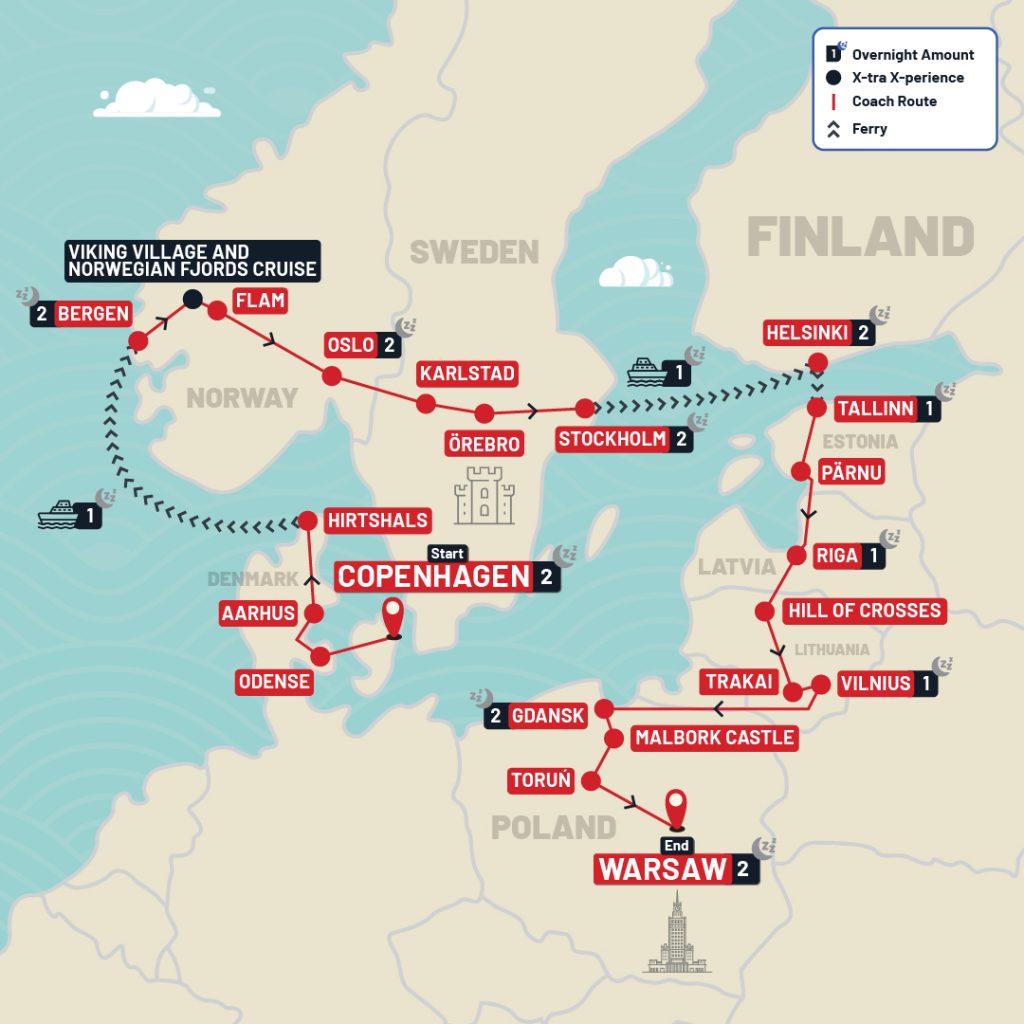
Book the Best of Scandinavia & the Baltics tour and save 5% with promo code: TOURLEADERSJOURNAL
As someone who’s led this tour dozens of times, I can personally vouch for this itinerary. It balances must-see sights with free time, combines guided experiences with independent exploration, and offers genuine insider access.
The Itinerary: A Storytelling Journey Through Northern Europe
Rather than a dry day-by-day list, let me walk you through the tour the way it actually unfolds — because this itinerary has a genuine narrative arc, moving through distinct chapters that each feel completely different from the last.
Chapter One: Denmark — Canals, Vikings & a Very Long Ferry
Days 1–3 | Copenhagen → Odense → Aarhus → Overnight Ferry
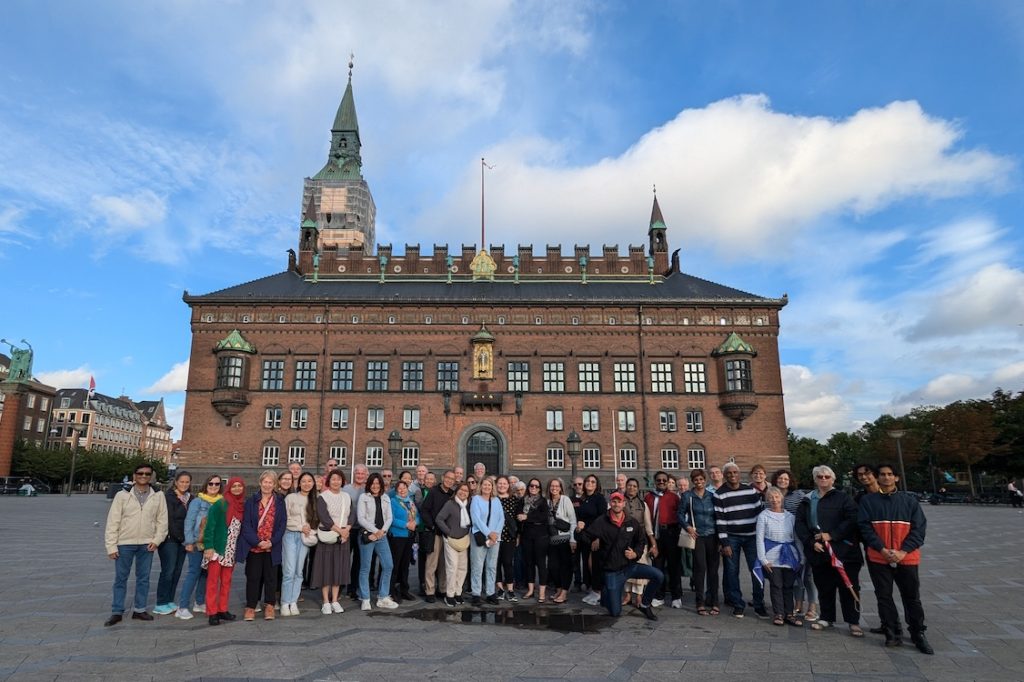
Copenhagen is an excellent opening act. The tour begins at 10am with a guided walking tour through Nyhavn, past Amalienborg Palace and Frederik’s Church, ending at the Little Mermaid statue — modest in size, iconic in status. Evenings are free, and dinner on day one is an included buffet opposite the entrance to Tivoli Gardens, the second-oldest amusement park in the world and the original inspiration for Disneyland.
The free day in Copenhagen is one of the better ones on this tour. The optional excursion takes guests back to Nyhavn for a canal cruise, across to Reffen — Northern Europe’s largest street food market — and finally to Freetown Christiania, a self-governing commune that once operated its own cannabis marketplace and now offers something more bohemian and photogenic. If you prefer to explore solo, Rosenborg Palace (home to the Danish Crown Jewels), the Round Tower, and the Carlsberg Brewery are all worth your time.
Day three transitions the tour out of the city and toward the ferry port, with stops in Odense — birthplace of Hans Christian Andersen — and Aarhus, Denmark’s second city, where the traffic lights feature Viking silhouettes instead of the usual walking man. It’s a small detail, but it sets the tone for what’s to come.
The overnight ferry from Hirtshals is basic — a couple of restaurants, a sports bar, a rooftop deck — and the cabins are small twin-share rooms. Pack an overnight bag before leaving Copenhagen so your main luggage can stay locked in the coach’s car hold. The upside of the rooftop bar, a few Danish beers, and a group of people becoming fast friends is considerable.
Chapter Two: Norway — The Heart of the Tour
Days 4–7 | Bergen → Oslo
If there’s a reason people book this tour over its rivals, Bergen and the Norwegian fjords is it.
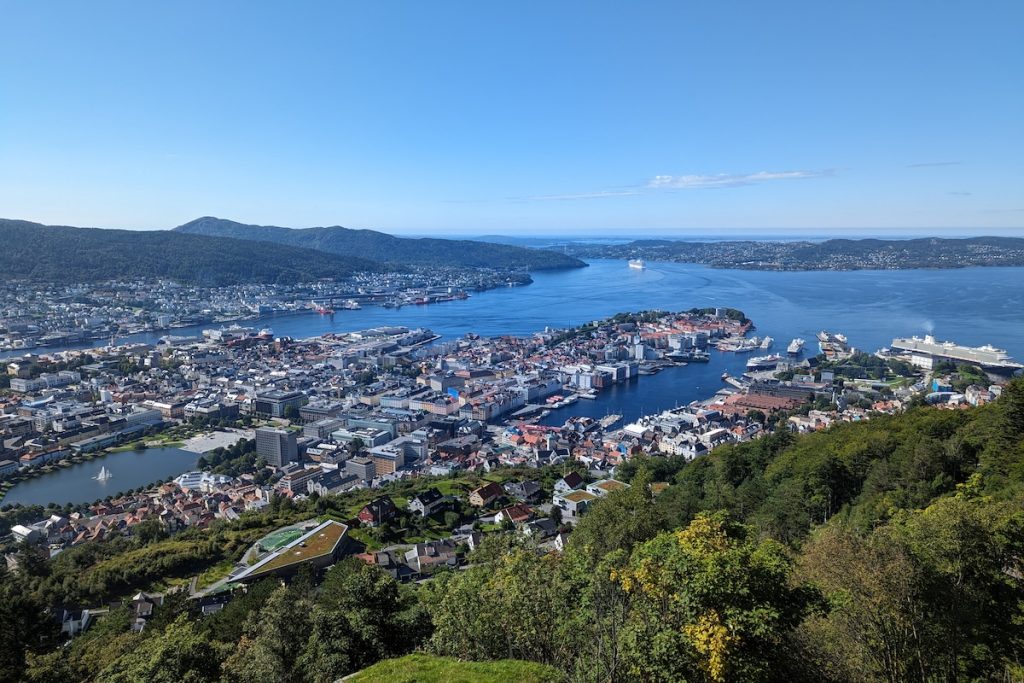
The ferry arrival into Bergen is the first visual knockout of the trip. As the ship navigates through the channel toward the city, little Norwegian islands appear on both sides, their colourful wooden houses reflected in flat water. Get up early for this. You’ll want the coffee and the front rail.
Bergen itself is small, walkable, and perpetually damp — it’s considered Europe’s wettest city, so pack a raincoat regardless of the season. The fish market at Bergen Harbour is the first stop after docking, and the city’s funicular, the Fløibanen, carries you above the rooftops for views that explain why this former Norwegian capital earned its reputation.
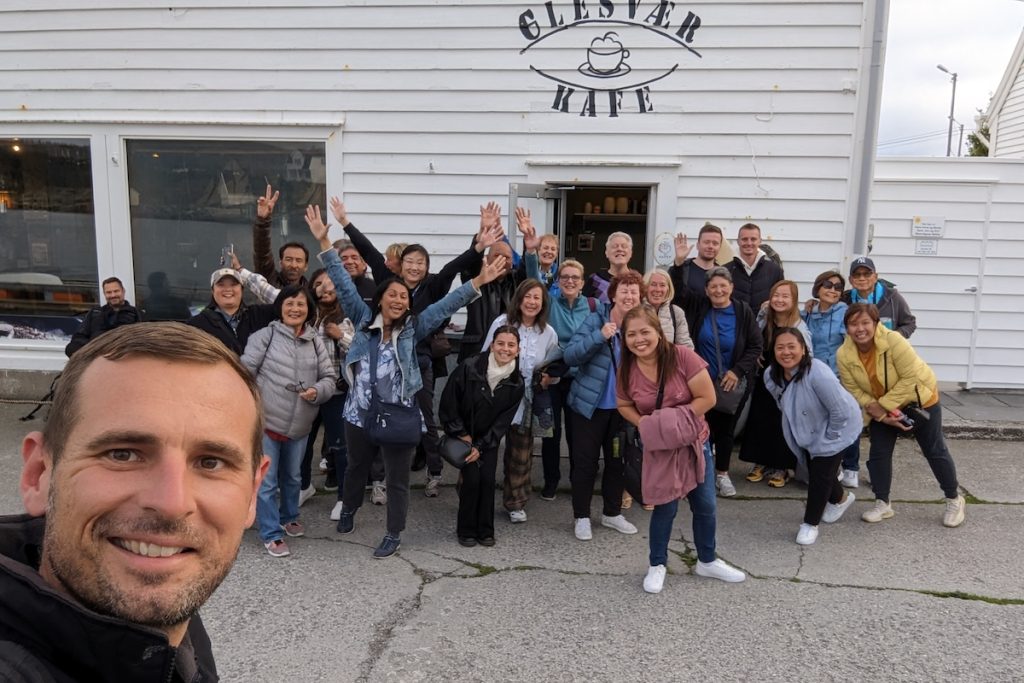
The free day in Bergen includes an optional excursion (Bergen+, €105) covering Bryggen, the funicular, and the Magic Ice Bar. I’d skip the optional and do the funicular independently — you’ll save money and have more flexibility. What you should do instead is the Coastal Norway optional on the first night, which takes guests along the Norwegian coastal landscape, through small towns with photo stops, and into dinner at a former 1900s post office and general store where the owner still stocks the old shelves with original products. It’s one of those off-script evenings that becomes a tour highlight.
Then comes the day everyone circles on their calendar.
Day 6: Bergen to Oslo via the Fjords
This is what Northern Europe does that nowhere else on Earth can replicate. The route passes through scenery that consistently leaves guests silent — not because they’re bored, but because they genuinely don’t know what to say.
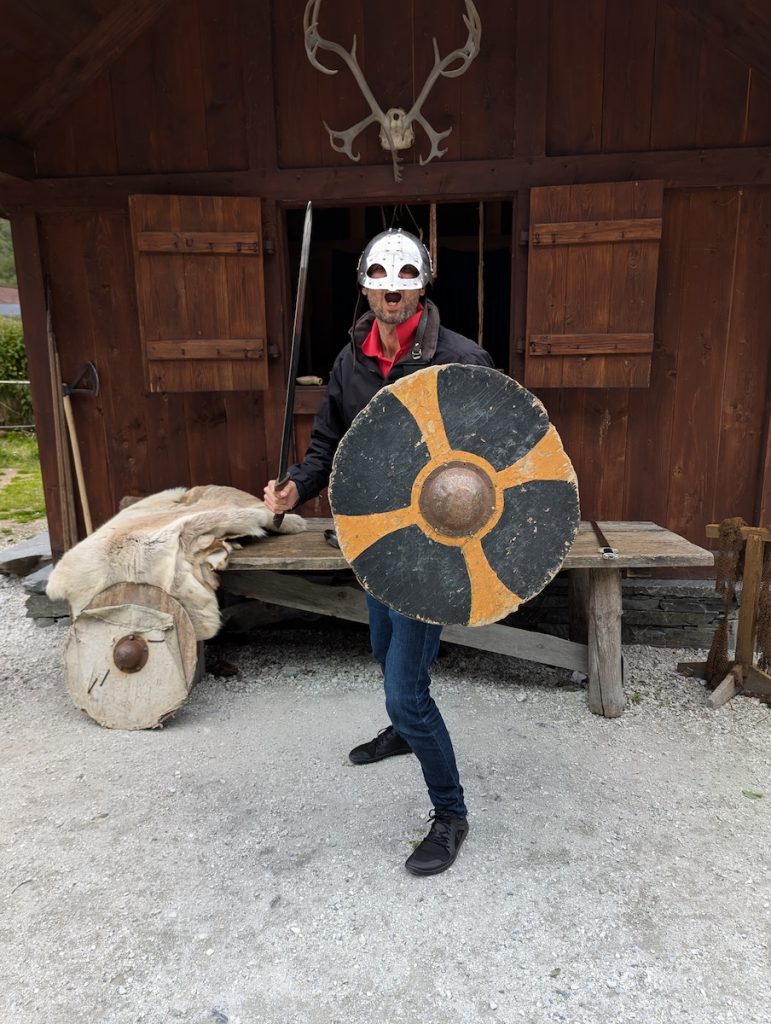
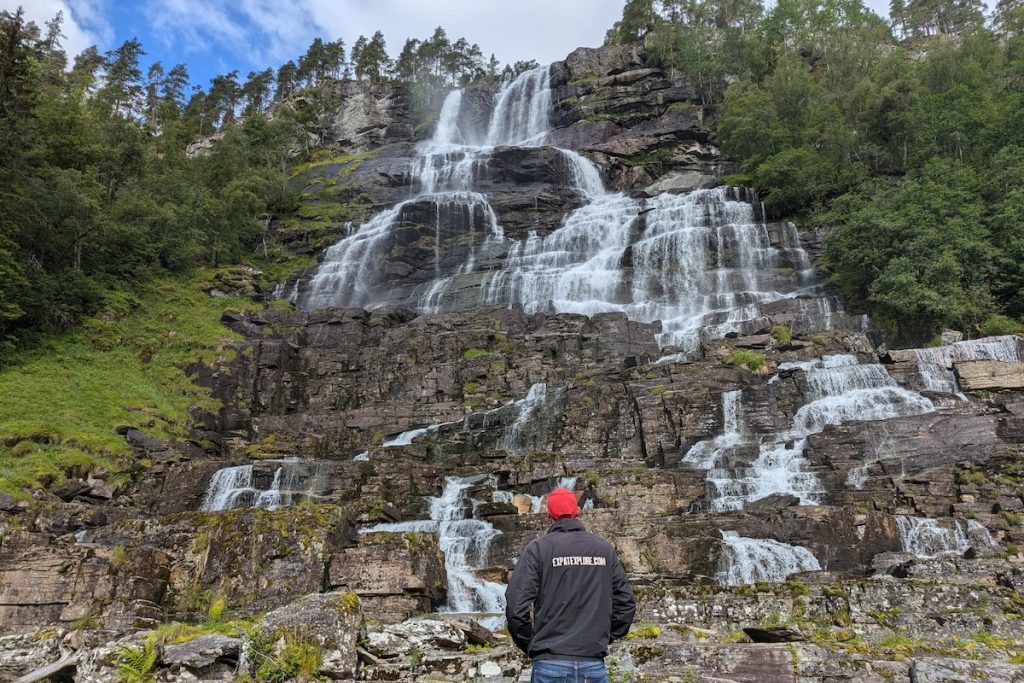
The Viking Village and Norwegian Fjord Cruise optional is, in my view, mandatory. If you skip it, your alternatives are limited (the driver is good company, but not that good). The excursion moves through the Norwegian countryside with a photo stop at Tvindefossen Waterfall before arriving at the recreated Viking Village — an open-air museum with costumed guides, interactive demonstrations of Viking life, and the most satisfying axe-throwing you’ll ever experience.
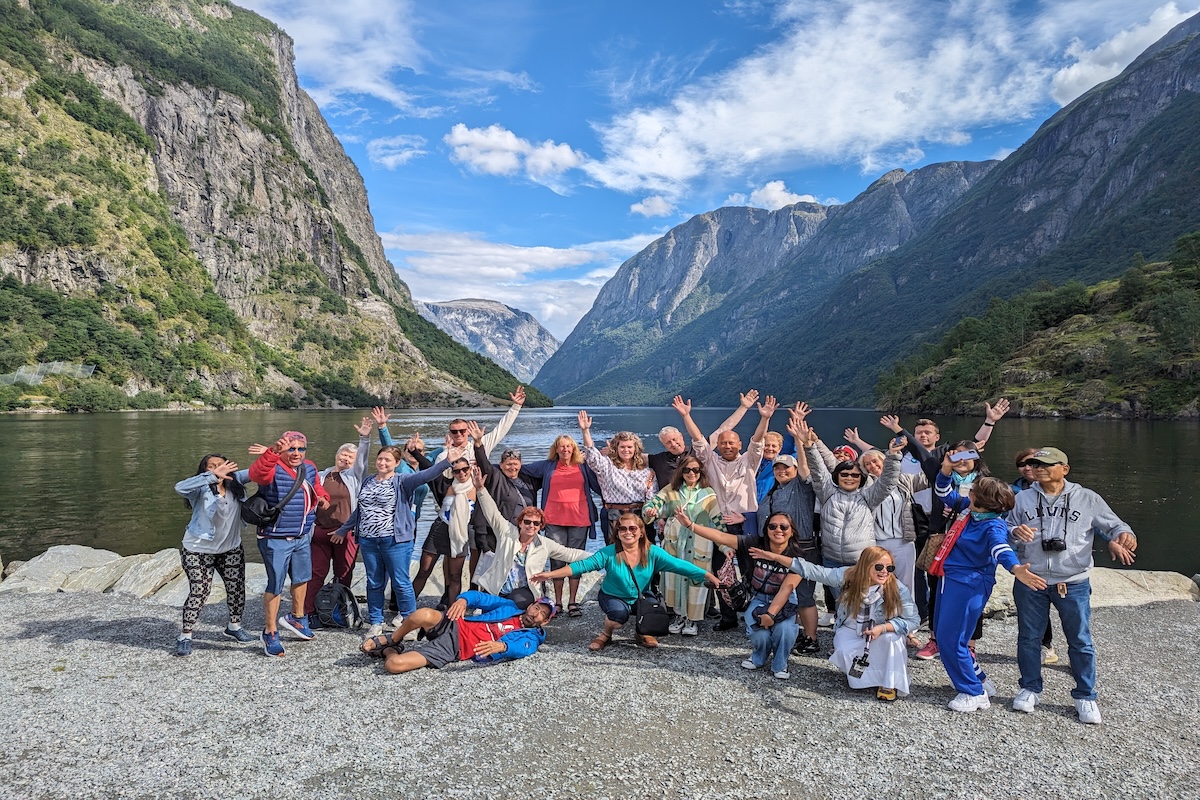
Then comes the centrepiece: a 90-minute electric cruise through Nærøyfjord and Aurlandsfjorden, both UNESCO World Heritage fjords. The vessel is modern, quiet, and glass-fronted. Waterfalls tumble from heights that seem impossible. The scale of the cliffs simply doesn’t register at first. By the time the boat docks at Flåm, most guests have stopped taking photos because they’ve realised no photo is going to come close.
(A note for train enthusiasts: the famous Flåm Railway — widely regarded as one of the world’s most scenic rail journeys — is possible, but you’d need to arrange it independently on day five.)
The drive to Oslo finishes with a brief stop at Borgund Stave Church, and an included dinner at the hotel.
Oslo on day seven is a different kind of Scandinavian city — where Copenhagen feels lived-in and Stockholm feels historic, Oslo feels designed. Its iceberg-inspired Opera House sits at the waterfront like a piece of modern sculpture you’re invited to walk on. An included walking tour covers the Opera House, Akershus Fortress, and the city centre.
The optional Oslo+ excursion adds the Fram Museum, the Kon-Tiki, and most valuably, Vigeland Sculpture Park — 200 bronze and granite sculptures by Norwegian artist Gustav Vigeland mapping the entire arc of human life. It’s strange, beautiful, and completely free if you visit independently. The tour leader will often add a detour to Holmenkollen Ski Jump, which even non-sports fans find staggering in person. For those staying closer to the centre, the Nobel Peace Prize Museum and the National Museum (home to Edvard Munch’s The Scream) are both worth the entry fee.
Chapter Three: Sweden — Stockholm at its Best
Days 8–10 | Karlstad → Örebro → Stockholm → Overnight Ferry
The drive from Oslo passes through Karlstad and Örebro — the latter genuinely worth a detour to see Wadköping, a reconstructed Swedish village of old wooden buildings that most guests don’t expect and always enjoy.
Stockholm is the tour’s urban highpoint. Of the three Scandinavian capitals, it has the most depth — the most museums, the most historic neighbourhoods, the most to do across two days. Gamla Stan, the old town, is the place to start and the place to keep returning to: cobbled alleys, medieval architecture, the Royal Palace, and an underground cellar restaurant where the included dinner arrives in the form of Swedish meatballs eaten beneath vaulted stone ceilings.
Day nine begins with a guided city tour before free time opens up. The city’s public transport is excellent, which makes independent exploration easy. The Vasa Museum on Djurgården island is the essential stop — a 17th-century warship raised from Stockholm Harbour after 300 years on the seabed, displayed in the building constructed around it. Every guest who walks in saying “it’s just a ship” comes out saying “wow.” The ABBA Museum across the island is better than it has any right to be, especially the hologram stage where you can sing alongside the band. Skansen, the open-air museum and zoo next door, rounds out a very full day.
Day ten gives guests the morning for anything they missed — the Stockholm Town Hall, the Nobel Prize Museum in Gamla Stan’s central square, more time in the streets — before the group boards the overnight ferry to Helsinki. This is a significant upgrade on the Hirtshals crossing: a full cruise ship with bars, restaurants, a nightclub, a casino, and duty-free shopping. Head to the roof as the ship leaves harbour to watch Stockholm’s archipelago slip past. The buffet dinner optional is worth doing for a reason that isn’t the food: the drinks are self-serve and unlimited. Everything. On tap. You help yourself.
Chapter Four: Finland — The Quiet Surprise
Days 11–12 | Helsinki
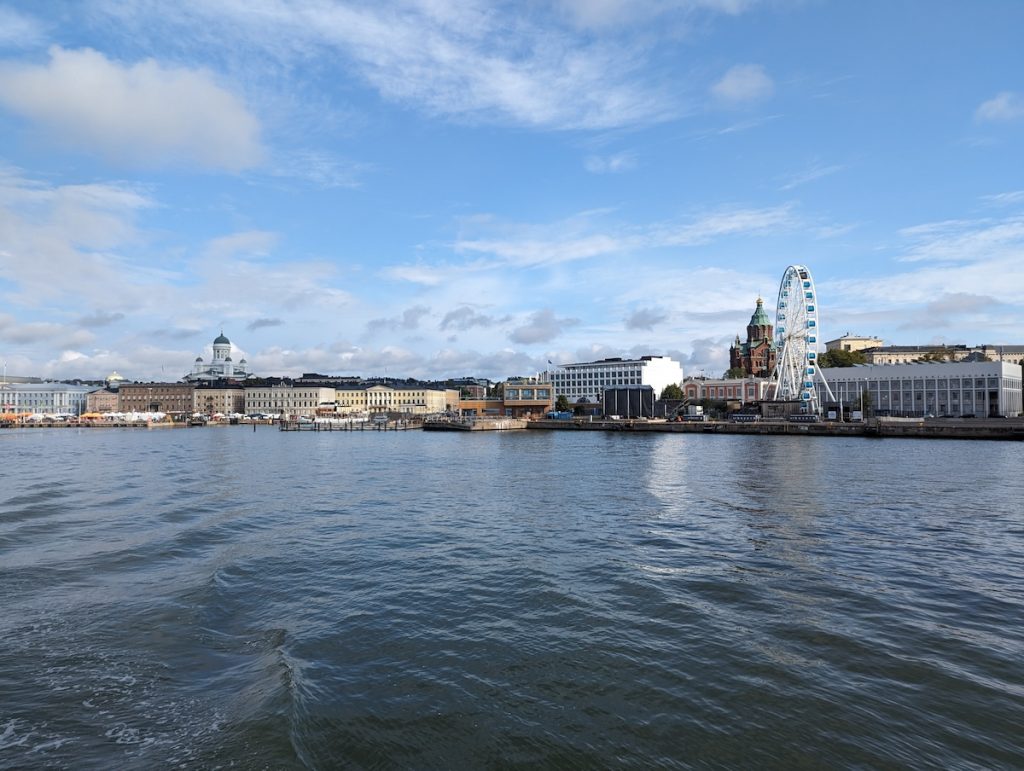
Helsinki arrives at around 10:30am after the ferry crossing, which means a gentle start for anyone who made the most of the previous night. The city has a different pace to the Scandinavian capitals — quieter, more considered, somehow both more introverted and more confident.
New passengers joining for the Helsinki-to-Warsaw section meet the group here, which occasionally brings numbers up to 70 guests, split between two guides for the walking tour. Senate Square and Helsinki Cathedral are the visual anchors, but the unexpected highlight is the Helsinki Library — a vast, calm, architecturally extraordinary building that makes complete sense once you know Finland has the world’s highest literacy rates.
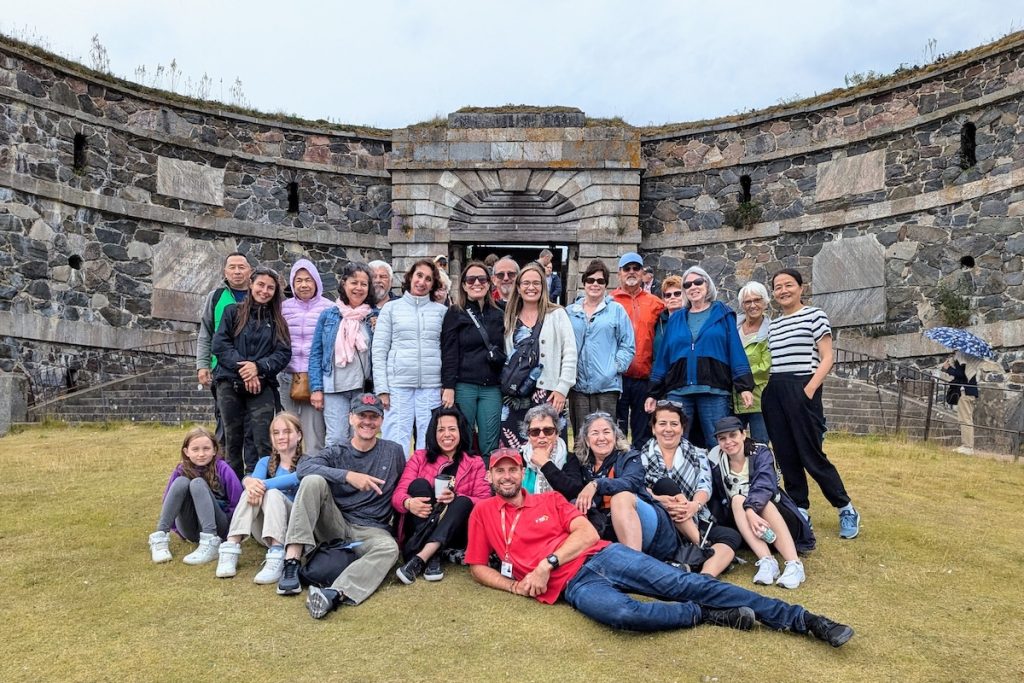
The free day in Helsinki is best spent having a sauna — not a recommendation, more of an instruction. Löyly is the premium option (book ahead) with its striking wooden waterfront architecture; Allas Sea Pool near the harbour works well for a more casual visit. The Helsinki+ optional covers Suomenlinna island fortress with a private guide and concludes with Finnish coffee and cake at Fazer café. The island is worth visiting, but I’d do it independently the afternoon before and keep the free day for the sauna. No regrets.
Chapter Five: The Baltic States — Three Countries, Three Worlds
Days 13–15 | Tallinn → Riga → Vilnius
The Gulf of Finland crossing takes the tour into a completely different register. The Baltics are smaller, quieter, less visited, and in many ways more surprising than the Scandinavian capitals. They also move fast — one night per city — but none of them are large enough that a night feels insufficient.
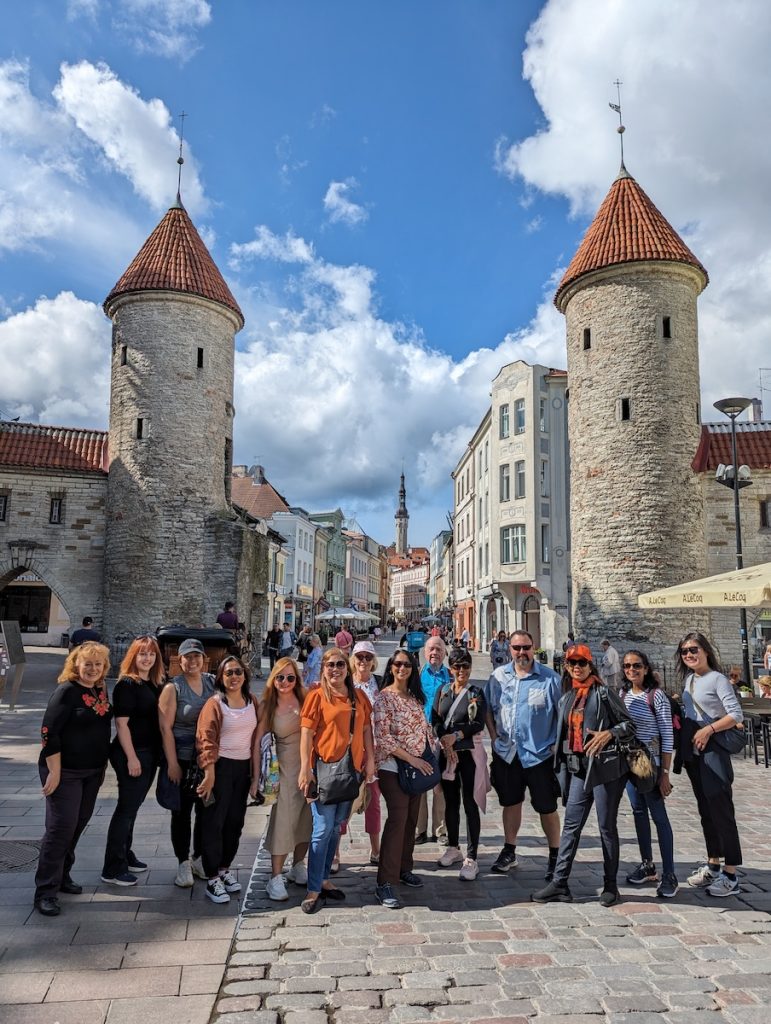
Tallinn, Estonia is the most immediately striking. Its medieval walls are intact, its old town is genuinely old, and arriving in it for the first time feels like a scene from a fantasy novel. The included lunch at Peppersack — a 15th-century pepper merchant’s house where the staff dress and act the part — is probably the best meal on the entire tour. The afternoon guided tour covers the old town’s highlights before free time opens up. The Three Sisters Hotel on the corner of the main square, the city walls themselves, and the Three Dragons Bar are all worth your evening.
The drive to Riga, Latvia passes through a landscape of dark forests that look like they’ve been pulled from the Estonian flag’s design — blue sky, black treeline, and in winter, snow. A stop at Pärnu, Estonia’s beach resort town on the Baltic coast, is a pleasant surprise: soft sand, cold water, and the novel satisfaction of swimming in the Baltic Sea. (Pack a swimming costume.)
Riga’s old town is dominated by Art Nouveau architecture — buildings transformed into elaborate expressions of natural forms, botanical ornaments, sculpted faces. The House of the Blackheads is the standout, a strikingly detailed guild hall that was destroyed in World War Two and rebuilt precisely from historical records. A stop at the Brothers’ Cemetery on the way into the city — Latvia’s equivalent of Arlington National Cemetery, on a much more intimate scale — sets a quietly moving tone before the city reveals itself.
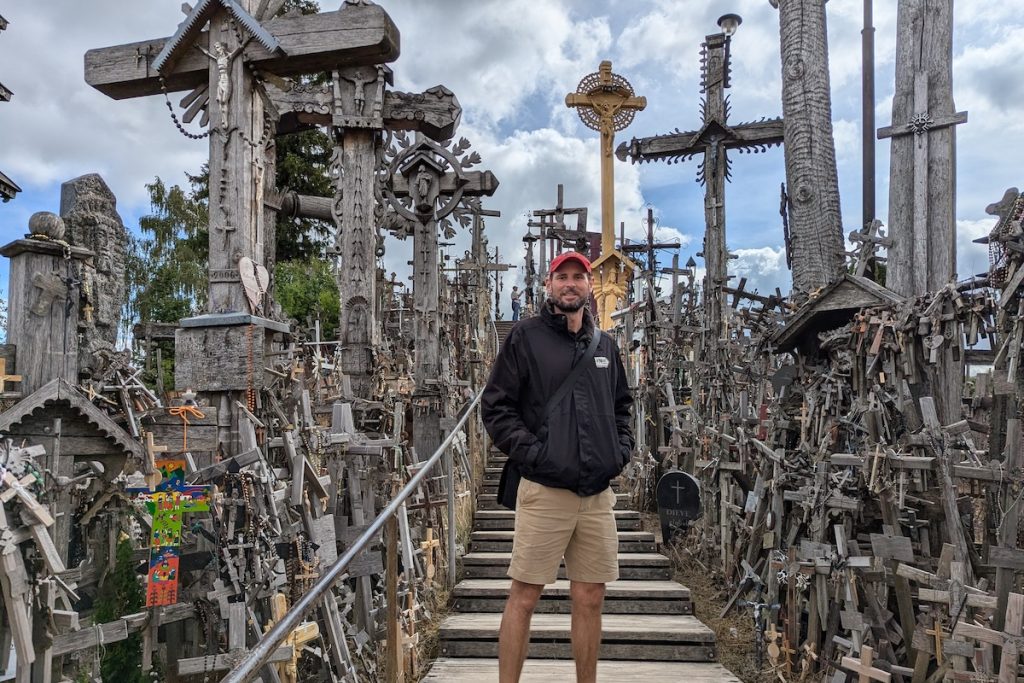
Vilnius, Lithuania closes out the Baltics with a day that begins at the Hill of Crosses, one of the most genuinely strange sights in Europe — a pilgrimage site covered in hundreds of thousands of crosses of every size, rising from the Lithuanian countryside without warning. The afternoon adds Trakai Castle, a 14th-century island fortress photographed from the opposite shore of its lake, before arriving in Vilnius.
Of the three Baltic capitals, Vilnius is the least immediately dramatic — no medieval walls, less Art Nouveau extravagance — but Gediminas Tower rewards the climb with a panoramic view of the city, and the Republic of Užupis, a bohemian self-declared microstate within the city, is worth an hour of anyone’s evening. Its constitution, displayed on a wall in multiple languages, includes the right to love and look after a cat. The included dinner celebrates the end of the Baltic section before the tour turns south toward Poland.
Chapter Six: Poland — The Finale That Steals the Show
Days 16–20 | Gdansk → Warsaw
The drive from Vilnius to Gdansk is the longest of the tour — seven hours — but the Masurian Lake District en route offers a lunch stop beside water that feels like a reward rather than a rest.
Most people arrive in Gdansk not quite knowing what to expect. They leave wondering why nobody told them sooner. This is true of Poland in general as well – learn why in my Poland Travel Guide.
Gdansk is where the Second World War began — the first shots were fired here on 1 September 1939 — and the city bears that history with extraordinary grace. The Long Market, lined with coloured merchant houses and centred on the Neptune Fountain, is one of the most photogenic squares in Europe. The harbour waterfront is lined with restaurants that stay busy until late. The amber trade that has defined this Baltic coast since Roman times fills every other shop window, and the guided walking tour on day seventeen makes sense of all of it — including a well-timed vodka stop.
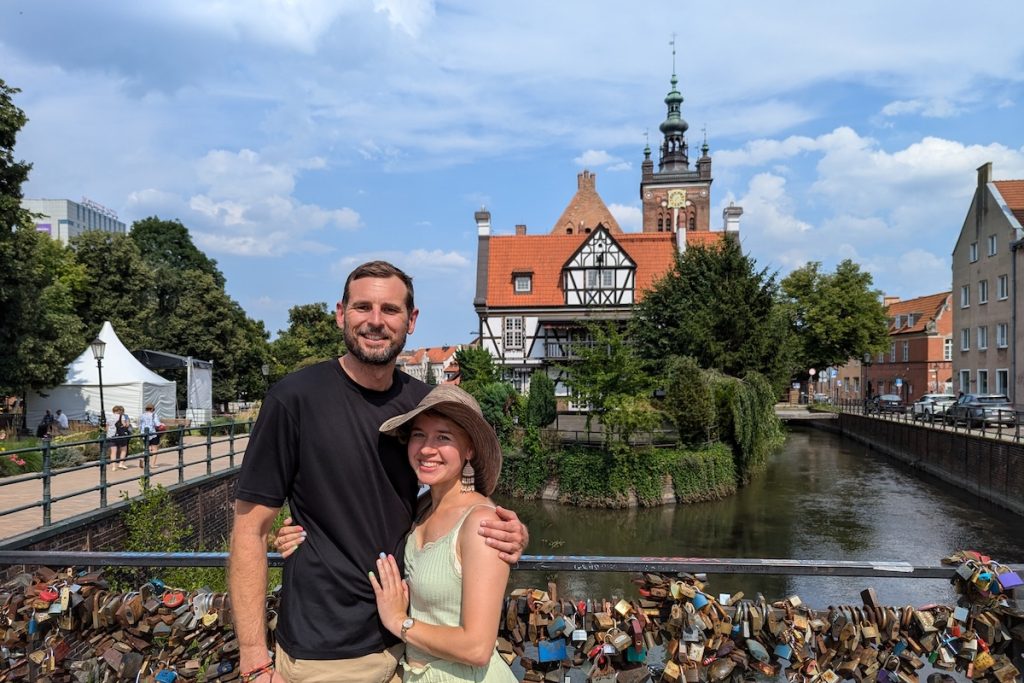
In 2026, the tour uses the Hampton by Hilton just off the main pedestrian street, which is genuinely one of the best hotels in the Expat Explore portfolio. Centrally located, comfortable, and within walking distance of everything.
For those wanting to explore further: a harbour boat tour that includes a stop at Westerplatte — the peninsula where the first German attack took place, now being developed into an open-air museum — is the most historically resonant excursion available. The WWII Museum is world-class but closed on Mondays (which is when the tour visits), and the European Solidarity Centre tells the story of the movement that ended communist rule in Poland with real clarity and emotion.
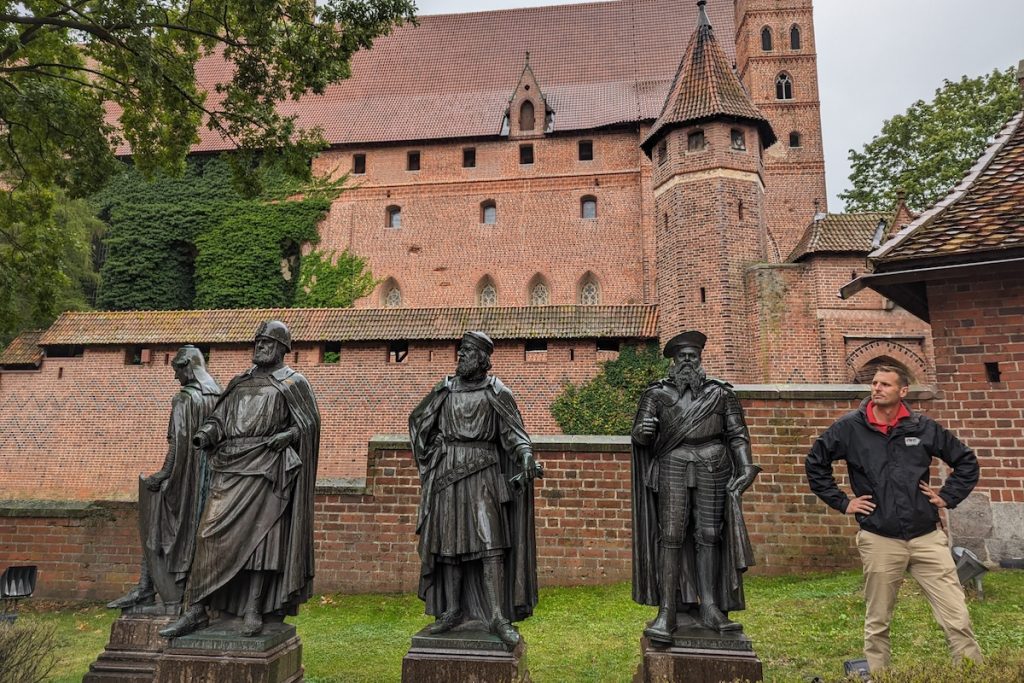
Day eighteen brings one of the tour’s best surprises: Malbork Castle, the largest brick castle on Earth. Built as the headquarters of the Teutonic Knights — the medieval military order that controlled the Baltic region for centuries — it has been painstakingly restored and offers one of the most impressive castle experiences in Europe. The contrast between its sheer scale and the flat Polish countryside surrounding it is remarkable.
A stop in Toruń follows — birthplace of Nicolaus Copernicus and home to a famous gingerbread tradition — where guests join an interactive gingerbread-making class with staff in period costume. Yes, you make your own and take it home.
Warsaw arrives in the evening after a long but eventful day.
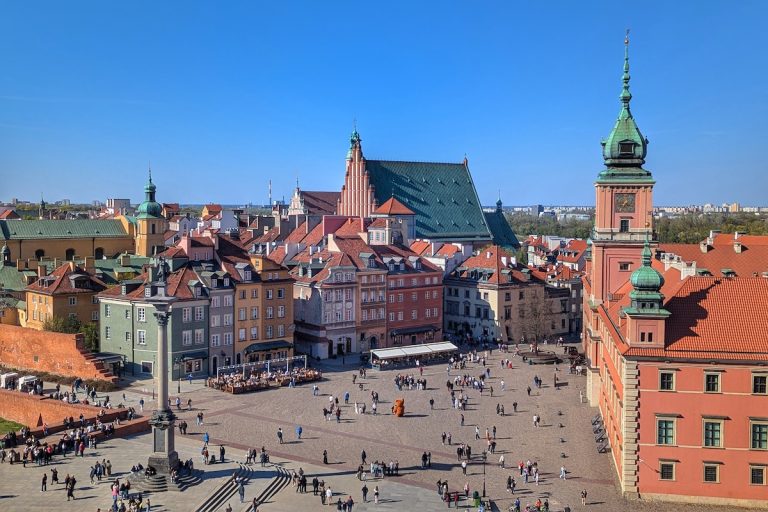
Warsaw surprises almost everyone. The city’s modern skyline suggests a straightforward European capital. What it conceals is one of the most remarkable stories of reconstruction in modern history.
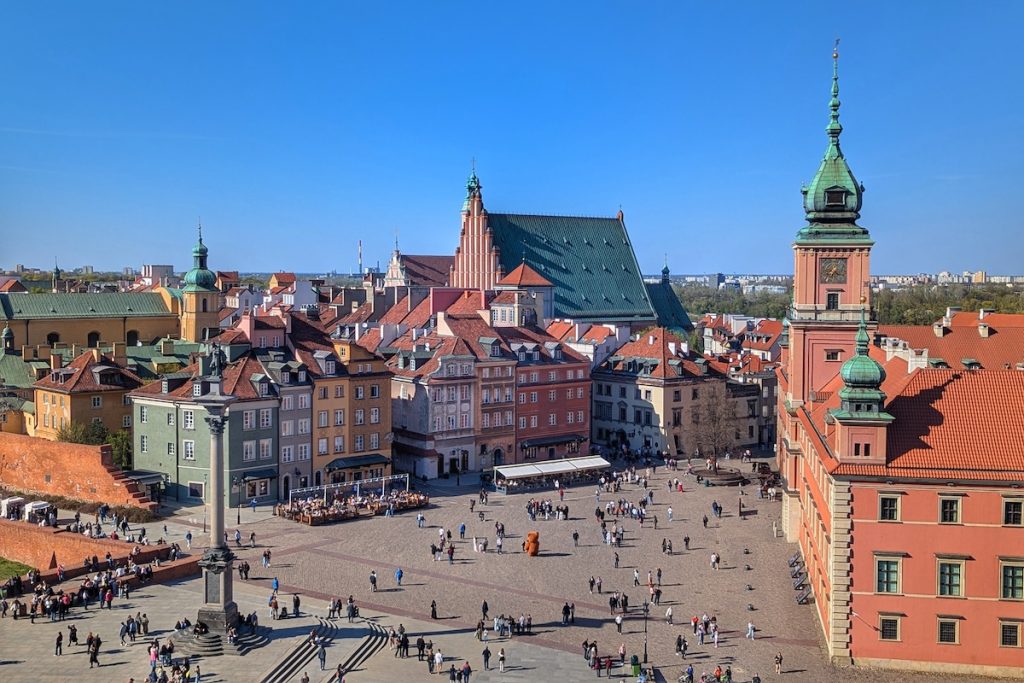
The Old Town was reduced to rubble during the Warsaw Uprising of 1944. What stands today was rebuilt, stone by stone, from historical paintings, photographs, and architectural records — so faithfully that UNESCO listed the reconstruction itself as a World Heritage Site. Walking through Łazienki Park to Chopin’s monument, then into the Old Town’s cobbled market square, carries a weight that’s difficult to articulate but easy to feel.
The afternoon optional covers Pierogi — Poland’s national dish, dumplings that arrive boiled or fried with a staggering range of fillings — paired with a guided tour of POLIN, the Museum of the History of Polish Jews. POLIN is one of the finest museums in Europe, and the context it provides for understanding the Holocaust in Poland is both important and sensitively handled.
The evening ends with Chopin & Polish Flavours — a classical concert in a wing of the Royal Palace in the Old Town, followed by dinner at a nearby restaurant. It’s the kind of ending that makes the whole 20 days cohere into something memorable.
Accommodation Standards
One of the best-kept secrets of this tour is how good the hotels are for a mid-budget tour operator like Expat Explore.
Scandinavia’s reputation for expense creates low expectations. What guests actually find are large chain hotels — Radisson Blu, Moxy, Novotel, Hampton by Hilton — that maintain high standards even at the budget end of their pricing.
The trade-off is location: in Scandinavia, hotels sit further from city centres, which is partially offset by excellent public transport links. Once the tour reaches the Baltics and Poland — significantly cheaper regions — hotels tend to be centrally located and within walking distance of the main attractions.
Note that Expat Explore does not provide porterage, so guests carry their own bags to rooms throughout the tour.
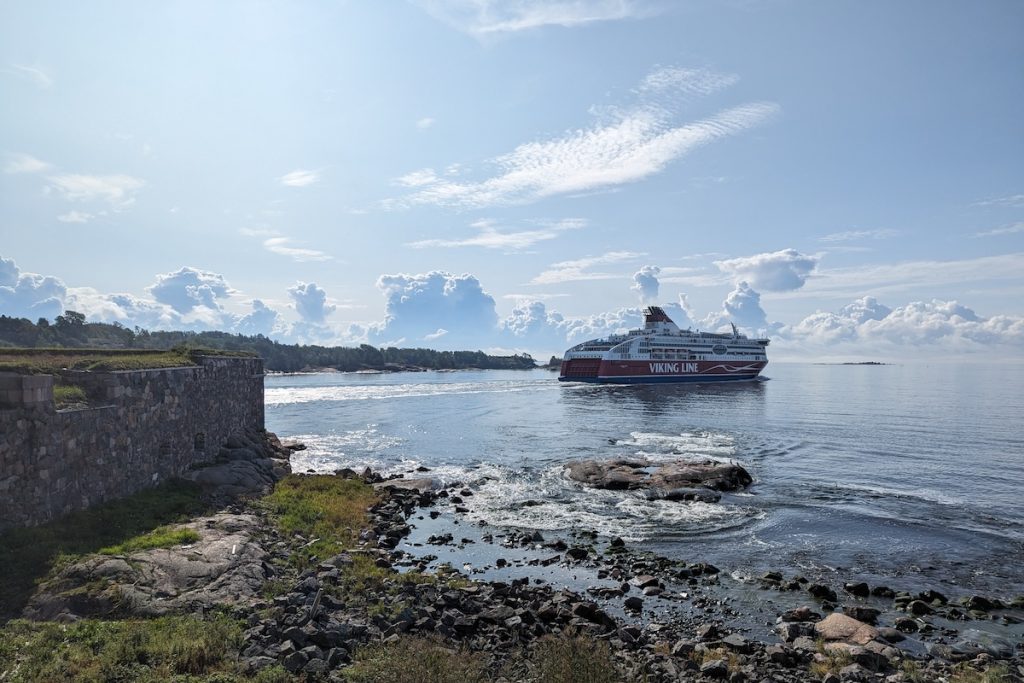
There are also 2 overnight ferries on this tour. They are basically small cruise ships with bars, restaurants and duty-free shopping. The cabins are small and basic, so before you board, you’ll pack an overnight bag and leave your suitcase on the coach. Cabins are also without windows (which sounds off-putting at first, but the darkness this provides makes for the best sleep you’ll have all tour).
Tour Pace & Physical Considerations
This is a genuinely well-paced tour, particularly compared to faster Expat itineraries. Most stops are two nights, which is enough time to see the main attractions without the anxiety of constantly moving on. Morning departures are typically around 8:00am — later than many group tour operators.
There are some longer drive days: Bergen to Oslo and Vilnius to Gdansk are the most demanding, but both are broken up with stops that justify the journey. Walking is moderate — guided city tours run around two hours — and some destinations require public transport navigation, which is straightforward throughout Scandinavia and the Baltics.
One genuine consideration for summer travellers: the Nordic sun does not cooperate with sleep schedules. At peak summer, sunset arrives after 10pm and sunrise before 4am. The pace of the tour is relaxed, but I’ve noticed that even relaxed travellers feel tiredness accumulating in a way they don’t expect. Bring an eye mask. Seriously.
Best of Scandinavia & the Baltics vs Northern Explorer: Which to Choose?
Expat Explore’s Northern Explorer tour runs 18 days from Amsterdam and covers similar geographic territory. On paper, the shorter duration and Amsterdam start & finish makes it appealing.
The differences come down to what you’ll miss.
The Northern Explorer doesn’t visit Bergen. This means no Norwegian Fjords — arguably the single most spectacular experience available in Northern Europe. It also doesn’t include Gdansk, which is one of the tour’s standout surprises. What it does include is Hamburg and Berlin.
My recommendation:
- Summer travel → Best of Scandinavia & the Baltics. Bergen, Fjords and Gdansk make it the superior itinerary unless Germany is a priority to you.
- Winter/Christmas travel → Northern Explorer Christmas & New Year tour. The Christmas markets in Hamburg are exceptional, the overnight ferry from Stockholm to Helsinki falls on Christmas Eve, Helsinki on Christmas Day (Santa does, technically, live in Finland), and New Year’s Eve in Berlin is hard to beat.

Optional Excursions: What’s Worth It
Do these:
- Coastal Norway (Bergen, evening day 4) — One of the best optional experiences on the entire tour. Coastal scenery, small towns, dinner in a historic general store. Don’t miss this.
- Viking Village & Fjord Cruise (day 6) — Mandatory. Skip it and you’ve missed the point of the Norwegian section.
- Oslo+ (day 7) — Vigeland Sculpture Park alone justifies this. Worth it.
- Warsaw Cultural Highlights (day 19) — Pierogi lunch and POLIN Museum. Do it.
- Stockholm Ferry Buffet Dinner (day 10) — Self-serve unlimited drinks. Do the maths.
Skip or do independently :
- Copenhagen Learn, Eat & Explore — Good, not essential. Christiania and Reffen are easy to find alone.
- Bergen+ — Too expensive for what it covers. Do the funicular and Bryggen independently.
- Helsinki+ — Visit Suomenlinna the afternoon before and spend the free day on a sauna instead.
- Stockholm Optional — Stockholm’s public transport makes self-guided exploration easy. The Vasa Museum and ABBA Museum are straightforward to reach alone.
Is This Tour Right for You?
You’ll love it if:
- You’ve always wanted to see Scandinavia but find independent travel in the region financially daunting
- You’re travelling solo and want a ready-made social group
- You want to cover significant ground — 8 countries — without spending weeks researching transport and hotels
- You have a genuine interest in history and don’t mind the occasional long drive day
- You appreciate a more relaxed group tour pace
Consider alternatives if:
- You want five-star luxury (this is comfortable three-to-four-star travel)
- You need complete spontaneity and dislike fixed itineraries
- You’ve already extensively explored Scandinavia and are looking for somewhere new
- Mobility is a significant concern
For more on the company behind this tour, read my full Expat Explore Review covering their range, booking process, and what to expect as a first-time customer.
Frequently Asked Questions
Booking
Book the Best of Scandinavia & the Baltics tour and save 5% with promo code: TOURLEADERSJOURNAL
As someone who’s led this tour dozens of times, I can personally vouch for this itinerary. It balances must-see sights with free time, combines guided experiences with independent exploration, and offers genuine insider access.
For a full breakdown of how to time your booking, use early bird deals, and stack discounts, read my guide on how to get the best price on group tours.
Final Verdict
Twenty days. Eight countries. Two overnight ferries, one fjord cruise, a Viking village, a medieval Estonian lunch, a Lithuanian hill covered in crosses, the world’s largest brick castle, and a Polish city that rewrites everything you thought you knew about Eastern Europe.
I’ve led a lot of tours. The Best of Scandinavia & the Baltics is one of the few I’d book myself.
What makes it stand out isn’t any single destination — it’s the way the itinerary builds. Denmark is a gentle opening. Norway is the emotional centrepiece that justifies the entire trip on its own. Sweden gives you the urban depth that Scandinavia’s reputation promises.
Finland is the unexpected pause, a country that operates on its own quiet frequency. The Baltics feel like stepping off the well-worn tourist trail into somewhere genuinely surprising. And Poland — particularly Gdansk — is the finale that consistently catches guests off guard, in the best possible way.
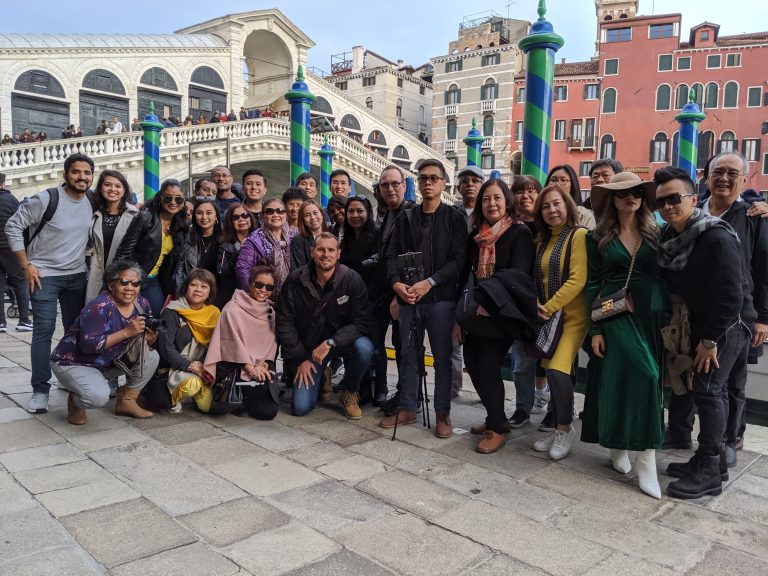
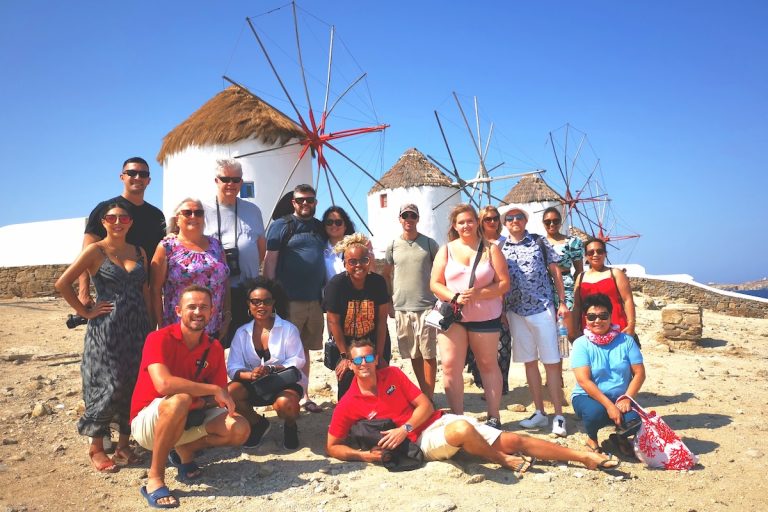
The pace is right. The hotels are better than you’d expect for a budget operator in one of the most expensive regions on Earth. The optional excursions I’ve recommended are genuinely worth doing, and the ones I’ve told you to skip are easy enough to do independently for a fraction of the cost. The group size can feel large on paper, but in practice the tour self-organises into smaller clusters of people who find their rhythm together — and those friendships, formed on ferry decks and over meatballs in Stockholm cellar restaurants, tend to last.
Is it perfect? No tour is. There are long drive days. The Bergen hotel is a tram ride from the centre. The free day in Helsinki is genuinely free, which either feels like a gift or a gap depending on your personality. And if you arrive expecting five-star luxury, you’ve booked the wrong tour.
But if you arrive open to it — to the fjords, the ferries, the medieval towns, the saunas, the axe-throwing, the pierogis, and the occasional 7-hour drive broken up by a lakeside lunch in rural Poland — this tour will give you more than you paid for.