The Complete Athens Travel Guide: Insider Tips from a European Tour Leader
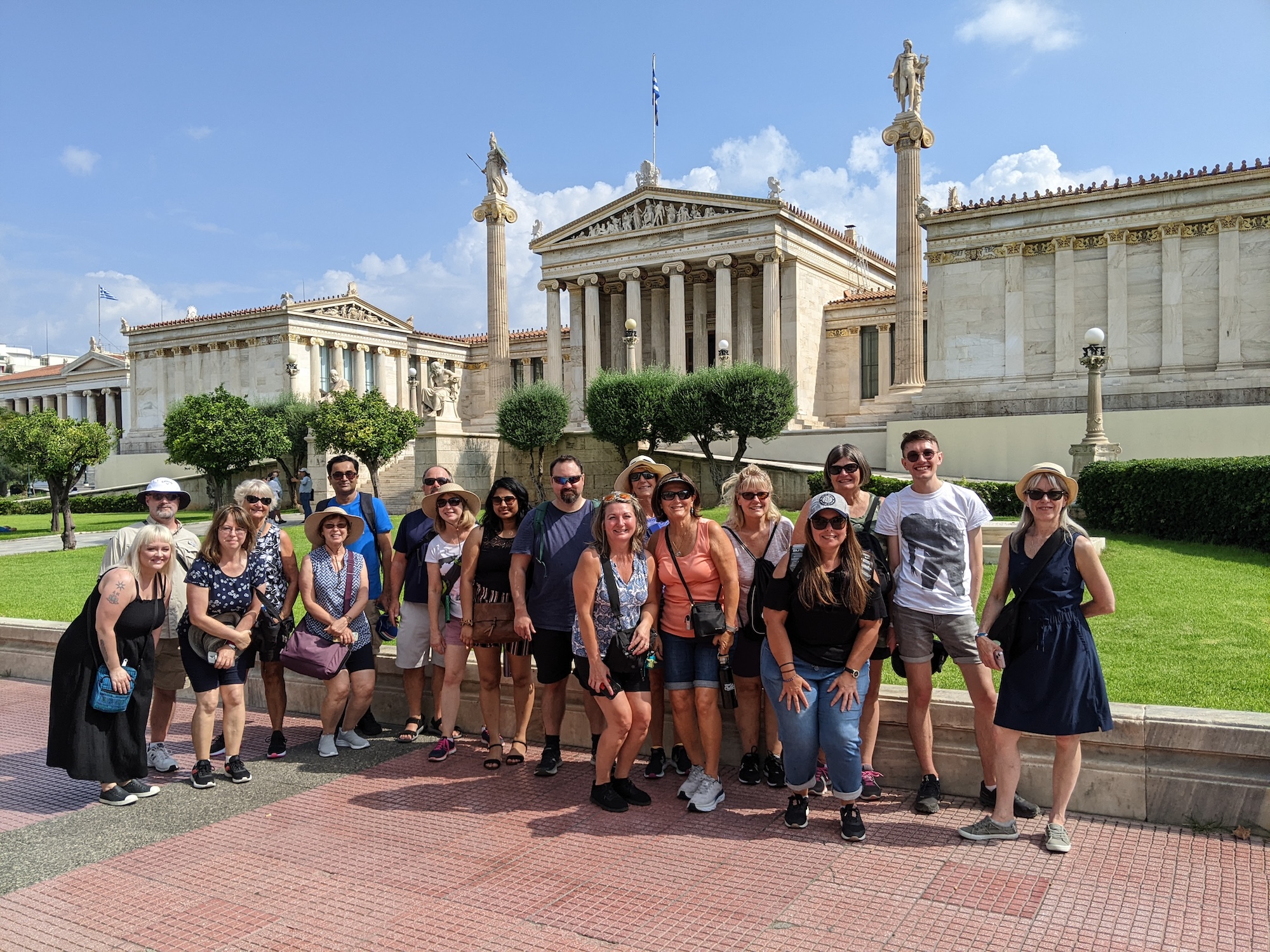
The first time I visited Athens, I remember thinking during a drive through the city, “Eww… this place is a dump!.”
If you’ve been—or when you do go—you’ll probably know what I mean. There’s graffiti across every inner-city building, traffic can be chaotic, and some areas feel a little worn down. It’s hard to believe at first that this was once the birthplace of Western civilisation.
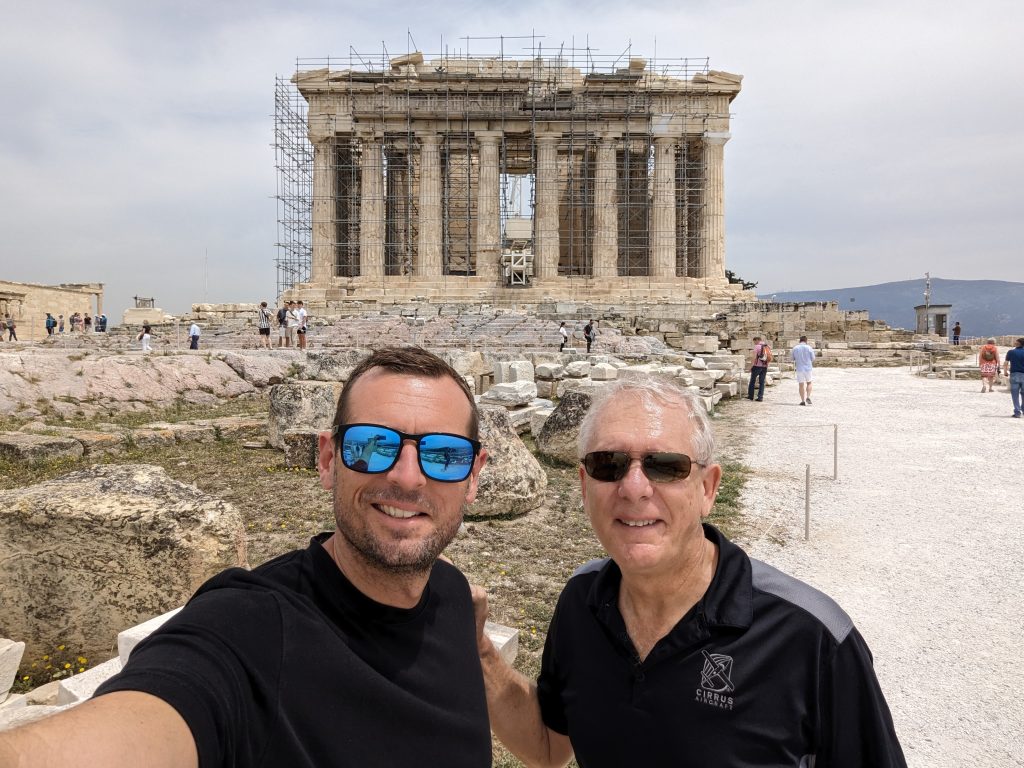
Then you walk up to the summit of the Acropolis and see the Parthenon up close, standing proudly above the city for over 2,500 years. From up there, you look out across the white buildings, the surrounding hills, and the distant sea—and suddenly Athens feels completely different.
That’s why I often compare Athens to the story of the Ugly Duckling. First impressions can be misleading, but once you explore its ancient monuments, world-class museums, and the same streets once walked by Socrates, you start to see the beautiful swan beneath the surface.
In this Athens travel guide, I’ll show you exactly why the Greek capital deserves a place on your itinerary. For a deeper dive into Greece itself, check out my comprehensive Greece travel guide.
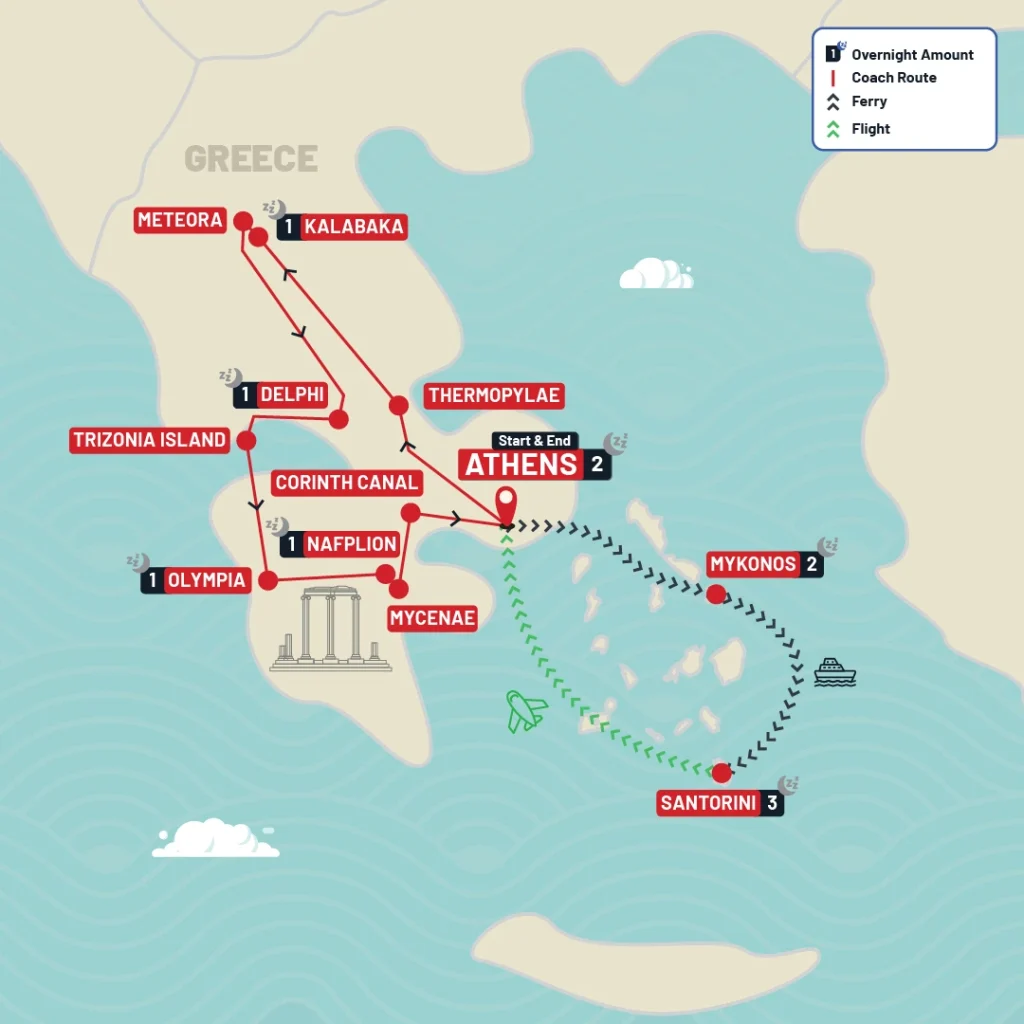
Ready to explore Greece without the planning stress?
I’ve partnered with Expat Explore to offer you an incredible Greece tour experience.
Use my exclusive promo code ‘TOURLEADERSJOURNAL‘
to save 5% on your booking!
History
Athens has been continuously inhabited for over 7,000 years, making it one of the oldest cities in the world. Named after Athena, the goddess of wisdom and warfare, who won the city in a contest with Poseidon by gifting the olive tree, Athens became the birthplace of democracy, Western philosophy, and countless innovations that shaped civilization.
The city’s golden age came in the 5th century BC under the leadership of Pericles. This was when the Parthenon was built, when Socrates walked the Agora engaging citizens in philosophical debates, and when playwrights like Sophocles and Euripides performed their tragedies in the Theater of Dionysus. Athens was the intellectual and cultural center of the ancient world, establishing principles of democracy, philosophy, and art that still influence us today.
After centuries of Roman rule, Byzantine Christianity, and Ottoman occupation, Athens was little more than a small town of 4,000 people when it became the capital of the newly independent Greece in 1834. The decision to make Athens the capital was largely symbolic—a connection to the glorious classical past rather than practical considerations.
The city grew rapidly throughout the 19th and 20th centuries, particularly after the 1923 population exchange with Turkey that saw over a million Greek refugees settle in Athens. The city sprawled outward, often in uncontrolled ways, creating the somewhat chaotic urban landscape you see today.
The 2004 Olympic Games marked a major transformation for Athens. The city invested heavily in infrastructure, creating new metro lines, renovating archaeological sites, and building modern sports facilities. Then came the 2008 financial crisis, which hit Greece particularly hard. Walking through certain neighborhoods, you’ll still see the economic struggles—abandoned buildings covered in graffiti, closed shops, and visible homelessness.
Today, Athens is experiencing a renaissance. The historic center has been pedestrianized, connecting ancient sites in a walkable network. A thriving food scene has emerged, blending traditional Greek cuisine with contemporary innovation. Street art has transformed neglected neighborhoods into open-air galleries. Young Greeks are returning from abroad to start businesses, bringing new energy to the city. Athens today is a fascinating blend of ancient glory, recent hardship, and hopeful renewal.
Athens Travel Guide: Things to do in Athens
Athens offers an incredible concentration of historical sites alongside vibrant modern neighborhoods, excellent museums, and authentic Greek culture. The key is balancing the ancient attractions with contemporary experiences. Here’s how to make the most of your time:
The Acropolis
The Acropolis ‘is’ Athens. This sacred rock has been continuously inhabited for over 4,000 years and remains the symbol not just of Athens, but of ancient Greece itself. The monuments you see today date primarily from the 5th century BC, built during Athens’ golden age. Getting your visit right requires strategic timing:
Timing is Everything – The Acropolis opens at 8:00 am, and I cannot stress enough: GET THERE EARLY. Aim to arrive by 8:00 am sharp, earlier if possible. By 10:00 am, the cruise ship crowds and tour groups have descended, the marble becomes blindingly reflective in the summer sun, and the heat is oppressive. Early morning visits offer cooler temperatures, better lighting for photos, and the rare chance to experience these monuments in relative peace.
What You’ll See:
- The Parthenon – The crown jewel of ancient Greek architecture, this temple dedicated to Athena has dominated the Athenian skyline for 2,500 years. Despite the missing sculptures (thanks, Lord Elgin), the Parthenon remains breathtaking. Walk around it completely to appreciate the optical illusions built into its design—there isn’t a single straight line in the entire structure.
- The Erechtheion – My personal favorite building on the Acropolis. The Porch of the Caryatids, with its six maiden columns, is iconic. This temple honors both Athena and Poseidon and marks the spot where they competed for the city’s patronage.
- The Propylaea – The monumental gateway to the Acropolis. Most people rush through, but take a moment to appreciate the engineering feat of building this structure on such challenging terrain.
- Temple of Athena Nike – The small but perfectly formed temple overlooking the entrance. Don’t miss the views from this corner of the Acropolis.
- The Theater of Dionysus – Often overlooked, this is where Greek drama was born. Aeschylus, Sophocles, and Euripides premiered their plays here. It’s included in your Acropolis ticket and located on the south slope.
Practical Tips:
- Buy tickets online in advance to skip the ticket line
- Wear good shoes—the marble is slippery, especially the polished areas
- Bring water, sunscreen, and a hat—there’s minimal shade
- The site has limited bathroom facilities
- Consider hiring a licensed guide at the entrance for deeper historical context
Acropolis Museum
The Acropolis Museum is a must-visit if you want the full Acropolis experience. Opened in 2009, this stunning modern building was specifically designed to house the Parthenon sculptures and make the case for their return from the British Museum.
The top floor is arranged exactly as the Parthenon frieze would have appeared on the building, with plaster casts filling the spots where original pieces remain in London. It’s a powerful statement. The museum also has a glass floor revealing ancient Athenian ruins beneath and walk way allowing you to walk amongst the real ancient Athens. The café is also a hidden gem as it offers a spectacular view of the Acropolis.
I recommend visiting the museum after you’ve seen the Acropolis itself—everything makes much more sense when you understand where these sculptures were positioned and what stories they’re telling.
Changing of the Guard at Syntagma Square and Parliament
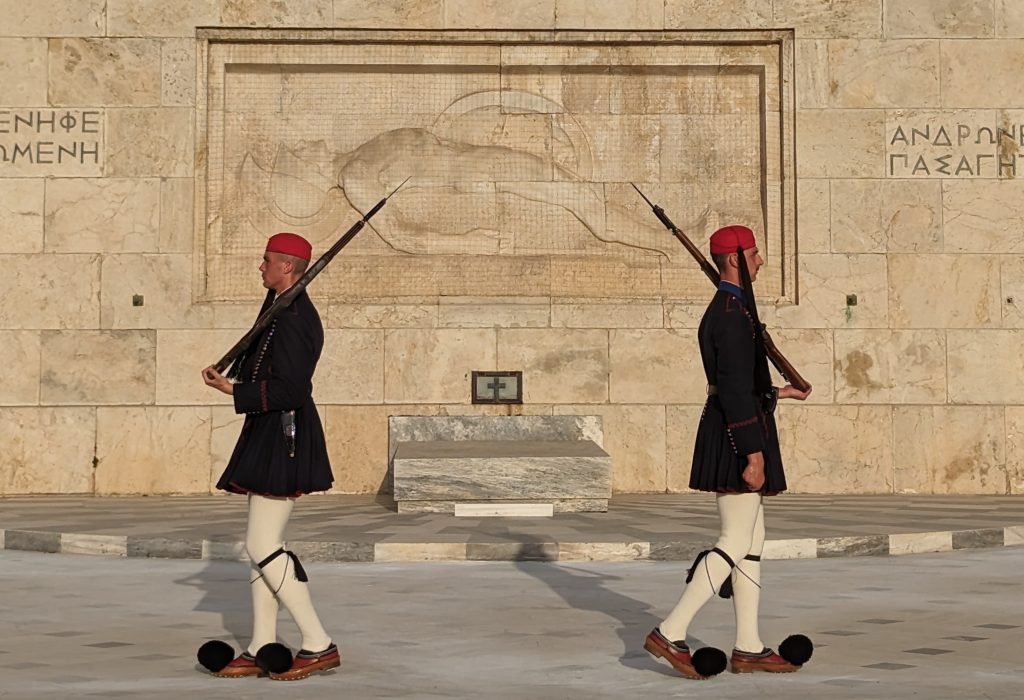
Syntagma (Constitution Square) is Athens’ central gathering point. The Greek Parliament building, formerly the Royal Palace, dominates the square, guarded by the Evzones in their distinctive uniforms.
The Changing of the Guard happens every hour, with a more elaborate ceremony on Sundays at 11:00 am. It’s definitely worth watching—the synchronized movements and traditional uniforms are impressive. The guards stand perfectly still for one-hour shifts regardless of weather, and tourists love taking photos with them (but don’t touch or try to make them laugh).
Behind Parliament, the National Gardens offer a shaded escape from the city heat. These gardens were planted in the 1840s for Queen Amalia and remain a peaceful oasis with ducks, turtles, a small café, and ancient ruins scattered throughout.
Ancient Agora
While everyone rushes to the Acropolis, many skip the Ancient Agora, which is a mistake. This was the heart of ancient Athenian life—the marketplace, political center, and social hub where Socrates, Plato, and Aristotle once walked and taught. The ruins are extensive and shaded by trees, making it much more pleasant in the heat than the Acropolis.
The Temple of Hephaestus is one of the best-preserved ancient Greek temples anywhere, and you can walk right up to it. The Stoa of Attalos has been completely reconstructed and houses an excellent museum explaining daily life in ancient Athens. I often tell my groups to spend just as much time here as at the Acropolis—it gives you a much better sense of what ancient Athens actually felt like as a living city.
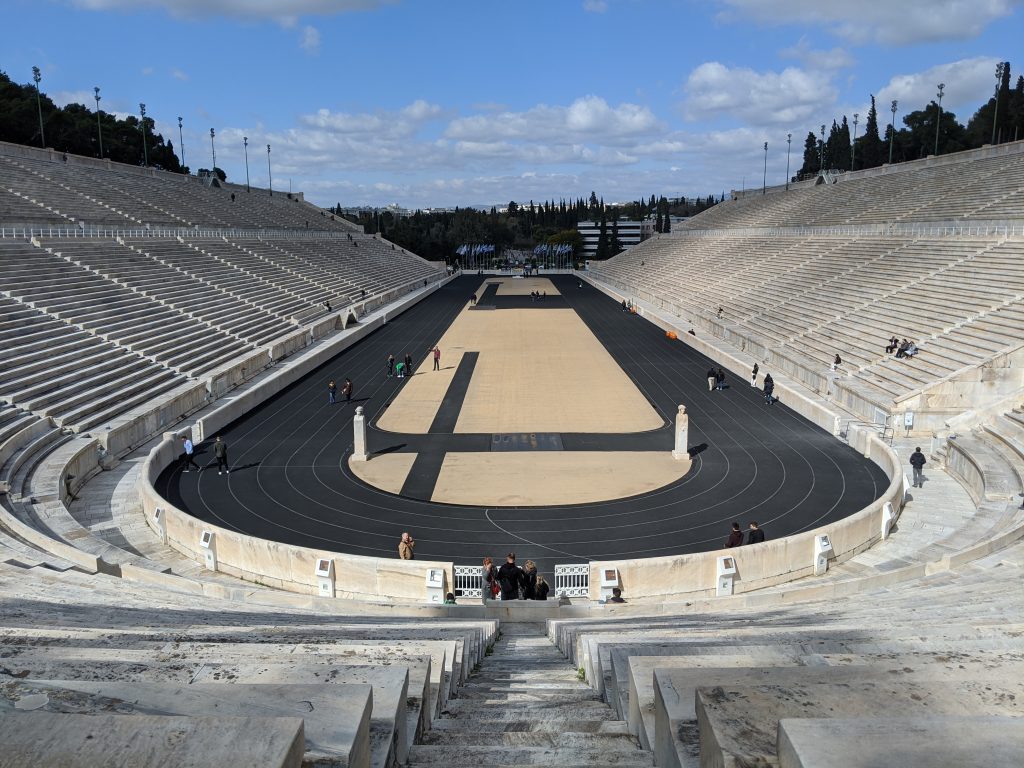
Panathenaic Stadium
The Panathenaic Stadium is where the first modern Olympic Games were held in 1896, but the site itself dates back to 330 BC. What makes it unique is that it’s entirely covered in marble—the only stadium in the world to make this claim.
You can walk onto the track, stand on the podium, and run the same course Olympic athletes competed on. There’s a small museum underneath showcasing Olympic torches and memorabilia. It’s not an essential stop, but if you’re interested in Olympic history or want a unique photo opportunity, it’s worth the visit.
National Archaeological Museum
The National Archaeological Museum is one of the world’s great museums, housing the most important collection of Greek antiquities anywhere. It’s criminal how many visitors skip it in favor of rushing to the islands. If you have any interest in ancient Greece, allocate at least half a day here.
Highlights include the golden Mask of Agamemnon (though probably not actually Agamemnon), the Antikythera Mechanism (an ancient computer that’s mind-blowing when you understand what it could do, although not time travel as suggested in the latest Indiana Jones movie), stunning bronze sculptures recovered from shipwrecks, and room after room of perfectly preserved pottery, jewellery, and frescoes.
The museum is located north of the city center, easily accessible by metro (Victoria or Omonia stations). Go in the afternoon when most tour groups have left. Audio guides are excellent and worth the extra fee.
Lycabettus Hill
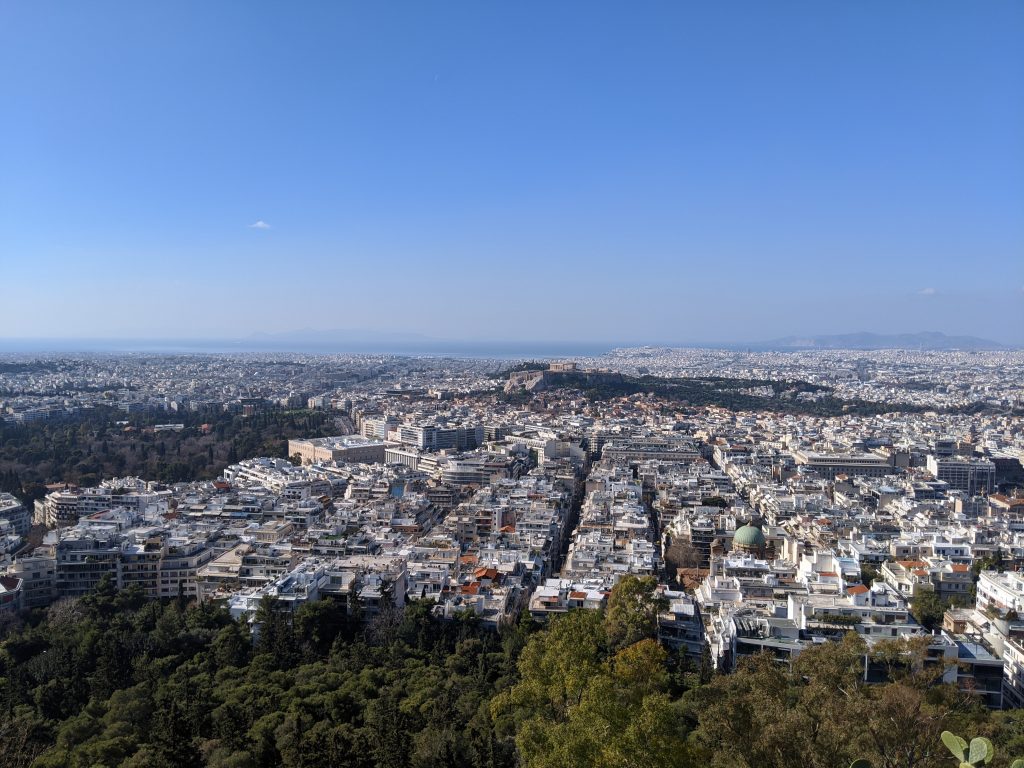
For the best panoramic views of Athens and the Acropolis, climb Lycabettus Hill. You can hike up (takes about 20-30 minutes) or take the funicular railway. Sunset from the top is spectacular, with the Acropolis lit up against the darkening sky and the city lights beginning to twinkle.
There’s a café at the summit, though it’s overpriced. I recommend bringing water and snacks if you hike up. The walk is steep but manageable if you’re reasonably fit. Early morning visits offer clear views before the afternoon haze develops.
Plaka and Monastiraki
These interconnected neighborhoods form the historic heart of Athens, built directly beneath the Acropolis. Plaka is the older, prettier area with narrow pedestrian streets, neoclassical buildings, and bougainvillea-draped tavernas. Monastiraki is grittier and more commercial, centered around its famous flea market.
Many people dismiss these areas as too touristy, and yes, there are plenty of overpriced restaurants with mediocre food targeting tourists. But if you know where to go (see my restaurant recommendations below), you can find authentic experiences alongside the tourist traps.
Must-see spots:
- Anafiotika – Hidden within Plaka, this tiny neighborhood was built by workers from the island of Anafi in the 19th century. They recreated their island village on the slopes of the Acropolis, with whitewashed houses, narrow passages, and cats everywhere. It feels like you’ve been transported to a Cycladic island.
- Monastiraki Flea Market – Sunday mornings are best for the actual flea market experience, though shops are open daily. You’ll find everything from antiques to tourist tat. Bargaining is expected.
- Roman Agora and Tower of the Winds – Less crowded than other ancient sites but equally fascinating. The Tower of the Winds is an ancient weather station and timepiece that still astounds engineers today.
Street Art Tour
Athens has become one of Europe’s street art capitals, with incredible murals transforming neglected buildings into open-air galleries. The Psyrri, Gazi, and Exarchia neighborhoods are the epicenters of this movement.
You can explore independently, but I recommend joining a proper street art walking tour. Guides explain the political and social commentary behind the murals, introduce you to the artists’ work, and show you pieces you’d never find on your own. It’s a completely different side of Athens that most tourists miss entirely.
Day Trip to Cape Sounion
About an hour south of Athens, Cape Sounion offers dramatic clifftop views and the Temple of Poseidon, where Lord Byron carved his name in 1810. The temple, perched on a cliff above the Aegean, is particularly stunning at sunset.
You can take the public bus (KTEL), join a guided tour, or rent a car and combine it with stops at beaches along the Athens Riviera. If you have extra time in Athens, this makes for a worthwhile escape from the city heat.
Athens Travel Guide: Where to Stay
Athens accommodation ranges from budget hostels to luxury hotels with Acropolis views. Your choice depends on priorities—proximity to sites, nightlife access, or authentic neighborhood experience.
Plaka/Monastiraki: Most Convenient for First-Time Visitors
Staying in Plaka or Monastiraki puts you within walking distance of the Acropolis, Ancient Agora, and countless restaurants. The downside is noise from restaurants and bars, higher prices, and more tourists. I recommend staying on the quieter edges of Plaka rather than on the main tourist streets.
Syntagma: Central Transportation Hub
Syntagma offers easy metro access to the airport and port, major bus lines, and walkability to attractions. It’s more business-oriented than charming, but practical for travelers who want central location without staying in the tourist zone. Hotels here often offer better value than Plaka.
Koukaki: Best Value Near Acropolis
This residential neighborhood south of the Acropolis offers authentic Athens living while remaining walking distance to major sites. The Acropolis metro station provides excellent connectivity. You’ll find neighborhood bakeries, local tavernas, and significantly lower prices than Plaka. This is my top recommendation for mid-range travelers.
Psyrri/Gazi: For Nightlife and Contemporary Athens
If you want to experience modern Athens nightlife and culture, these interconnected neighborhoods offer excellent restaurants, bars, and live music. During summer months, it can be loud until the early morning. Choose this area if you’re more interested in contemporary Athens than maximizing time at ancient sites.
Kolonaki: Upscale and Quiet
If budget permits, Kolonaki offers elegant accommodation in Athens’ most sophisticated neighborhood. You’ll be near the National Archaeological Museum, Lycabettus Hill, and excellent dining. The area is quieter than the city center but less walkable to the Acropolis.
Athens Travel Guide: Where to Eat
Greek cuisine is genuinely one of the world’s best, and Athens offers everything from traditional tavernas to innovative contemporary restaurants. For what to eat, check out my comprehensive Greece travel guide.
For where to eat, check out my tried-and-tested recommendations where I take my groups below:
Traditional Tavernas
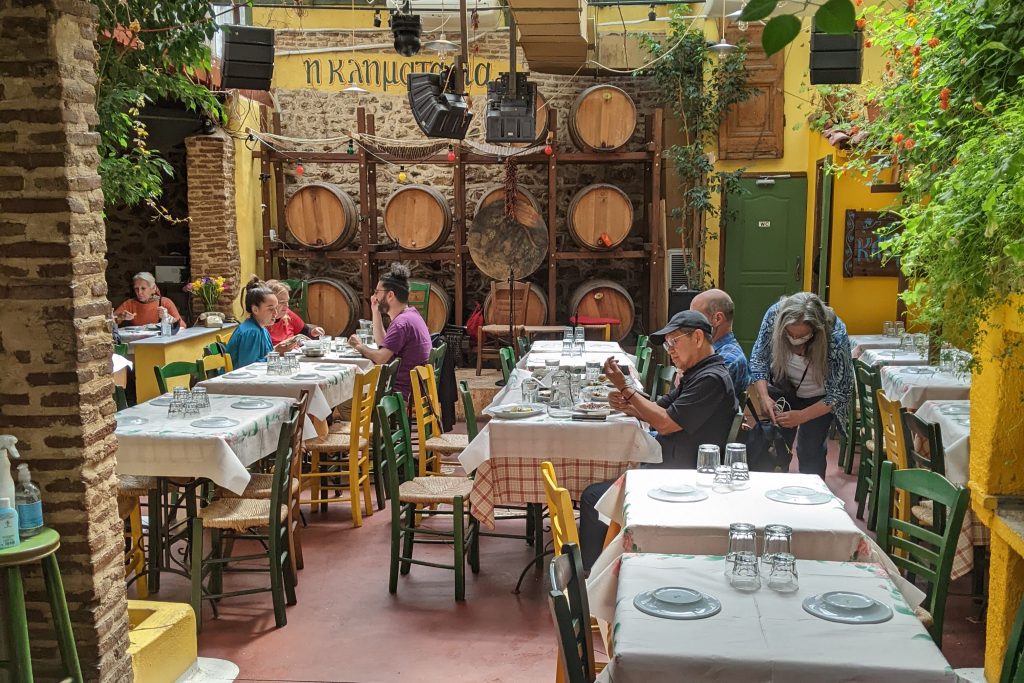
Ta Karamanlidika tou Fani – Hidden in a tiny square near Monastiraki, this is my absolute favorite spot for introducing visitors to authentic Greek meze (small plates). It’s part delicatessen, part restaurant, specializing in cured meats, cheeses, and traditional dishes from Constantinople. The pastourma (cured beef) is incredible. Reservations essential. Nearby Tavern Klimataria is also a good option in this neighbourhood.
MIRONI Restaurant – Located off Metaxourgeio, nearby Omonoia Square, this is one of the best dining options for Greek food in the city. Being slightly away from the main tourist areas it is a much more genuine taverna experience. It’s not the biggest venue and gets busy so do book ahead.
Atitamos – Closer to the Exarcheia neighbourhood, this is another fantastic taverna for real Greek food and one I visited many times.
Gyros – Souvlaki – Kebab (Street Food)
O Kostas – Near Syntagma Square, this tiny place has a cult following and is where to go if you want the authentic version. You’ll note the pita wraps are without fries however their pork souvlaki wrapped in pita with tzatziki, tomatoes, and onions is simple perfection. Expect queues during lunch. Cash only, €2.50 for a souvlaki.
Tylixto – This has become the most popular place to get a takeaway Gyros, probably due to social media influencers. If you’re happy to wait in the long line then you’ll be rewarded with one of the best Gyros in the city.
Thanasis – In Monastiraki, famous for their kebabs, which are the mince meat sausages. More touristy than O Kostas but consistently good and they’re open late for post-bar food.
Lukumades – For something sweet, you can’t beat fresh, warm Loukoumades! Basically, Greek doughnuts. ‘Lukumades’ is located next to Tylixto, so if you’ve got room after your Gyros, then head here for dessert.
Breakfast/Brunch
Greeks typically have light breakfasts—coffee and perhaps a koulouri (sesame bread ring) from a street vendor. But if you want a proper breakfast:
Melilotos – In Psyrri, excellent traditional Greek breakfast with homemade jams, local yogurt with honey, and various egg dishes.
Little Tree Books and Coffee – This bookshop-café in Pangrati serves excellent coffee and breakfast in a cozy, book-filled space.
Food Markets
Central Market (Varvakios Agora) – Athens’ main food market is a feast for the senses. The meat and fish sections are not for the squeamish, but the spice shops, olive vendors, and surrounding tavernas offer authentic experiences. Several excellent traditional restaurants around the market serve workers—cheap, delicious, and completely authentic.
Athens Travel Guide: Where to Drink
Rooftop Bars with Acropolis Views
Athens has capitalized on its star attraction by creating numerous rooftop bars with direct Acropolis views. Some are pretentious and overpriced, but these are worth it:
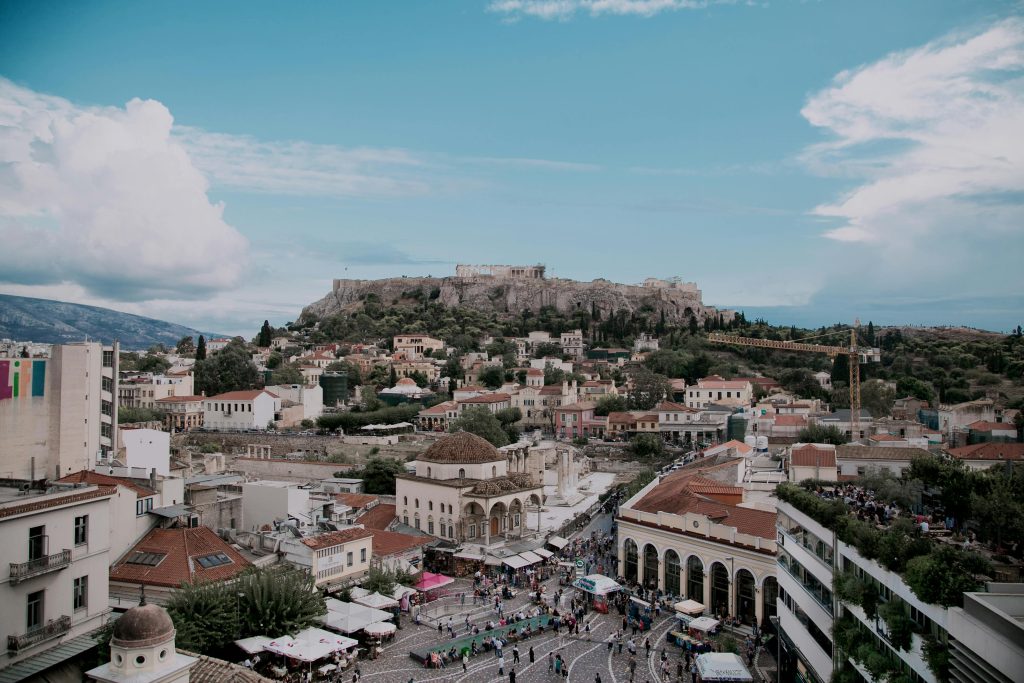
A for Athens – On the rooftop of a hotel in Monastiraki Square. Excellent cocktails, reasonable prices by rooftop standards, and spectacular views. Gets crowded at sunset, so arrive early or come after dark when the Acropolis is lit up.
360 Cocktail Bar – In Monastiraki, offering 360-degree city views (hence the name). Creative cocktails and a sophisticated atmosphere. Dress code applies.
Neighborhood Bars
Brettos – The most photographed bar in Athens, located in Plaka. The back wall is lined with hundreds of colorful bottles, illuminated to create a stunning effect. They produce their own spirits and liqueurs. It’s touristy but genuinely special.
The Clumsies – Consistently ranked among the world’s best bars. Located in Kolonaki, this is serious cocktail craftsmanship. Expensive but worth it for cocktail enthusiasts.
Booze Cooperativa – In Exarchia, this is where young Athenians gather. Cheap drinks, political posters on the walls, and a laid-back atmosphere that’s the antithesis of the rooftop bar scene.
Greek Coffee and Cafés
Mokka – In Exarchia, serving traditional Greek coffee prepared in copper briki pots. No laptops allowed—this is for conversation and coffee appreciation.
Little Kook – An over-the-top themed café in Psyrri that changes decorations seasonally. It’s Instagram-famous and completely ridiculous, but kids love it and the hot chocolate is excellent.
Wine Bars
Heteroclito – In Psyrri, excellent selection of Greek wines by the glass with knowledgeable staff who’ll guide you through regions and varietals. Small plates available.
Greeks take wine seriously, and Athens offers excellent opportunities to explore Greek wines beyond the ubiquitous retsina. Look for Assyrtiko (crisp white from Santorini), Moschofilero (aromatic white), and Agiorgitiko or Xinomavro (reds).
Transport
Athens has significantly improved its public transportation system, though it can still be chaotic. Here’s how to navigate:
Metro
The Athens Metro is modern, efficient, and air-conditioned—essential during summer. Three lines (Blue, Red, and Green) connect the city center with the airport, port, and suburbs. Trains run from 5:30 am to midnight (later on Friday and Saturday).
Single tickets cost €1.20 and are valid for 90 minutes across all public transport. You can also buy day passes (€4.10) or multi-day passes. Validate your ticket in the yellow machines before entering the platform—inspections are frequent and fines are steep.
The Airport Express (Blue Line) takes 40 minutes to reach the city center and costs €9 for a single ticket, €16 for a return. There are also express buses.
Walking
The city center is surprisingly walkable once you understand the layout. The archaeological sites are connected by a pleasant pedestrian promenade. Just be prepared for hills—Athens is not flat—and chaotic traffic when crossing streets. Drivers do not yield to pedestrians.
Taxis and Uber
Taxis are relatively cheap by European standards but can be frustrating. Many drivers refuse to use the meter or claim the credit card machine is broken. Insist on the meter. Uber and Beat (local app similar to Uber) work well and provide fare transparency.
Buses and Trolleys
Buses and electric trolleys cover the entire city but can be crowded and slow due to traffic. Most tourists stick to the metro, but buses are useful for reaching specific locations not served by metro lines.
Rental Cars
Don’t rent a car for Athens itself—parking is a nightmare and traffic is aggressive. If you’re planning day trips to Delphi, Sounion, or the Peloponnese, rent a car for those specific days rather than your entire stay.
Getting There
- Flying to Athens – Athens International Airport (ATH) is Greece’s main hub, receiving flights from across Europe, the Middle East, and seasonal intercontinental routes. The airport is modern and efficient, located 20km from the city center. The metro (Blue Line) provides the most reliable connection to the city center, taking about 40 minutes.
- Ferry Connections – If you’re island-hopping, you’ll likely start or end in Athens. Ferries depart from Piraeus port (metro: Green Line to Piraeus station) to the Cyclades, Crete, and other island groups. High-speed ferries have made island connections quick and comfortable. Book in advance during summer months.
- Overland Arrivals – Athens is connected to Thessaloniki and the rest of mainland Greece by bus and train, though services can be slow. Most international overland arrivals are from neighboring Balkan countries.
Practical Tips
- Summer Heat – Athens in July and August is brutally hot, regularly exceeding 35°C (95°F) with little breeze. Ancient site visits must happen early morning or late afternoon. Air conditioning is essential in accommodations. Many Athenians flee to the islands during August, and some restaurants close.
- Off-Season Advantages – Spring (April-May) and fall (September-October) offer pleasant weather and fewer crowds. Many say this is the ideal time to visit. Winter (November-March) is quiet with occasional rain, but museums and archaeological sites are nearly empty and hotels are cheap.
- Water – Tap water is safe to drink but doesn’t taste great. Bottled water is cheap and available everywhere.
- Striking – Greece has a strong union tradition, and strikes (especially public transportation strikes) are common. Check local news if you have time-sensitive plans.
- Language – English is widely spoken in tourist areas, though learning a few Greek phrases is appreciated. “Efharisto” (thank you), “Parakalo” (please/you’re welcome), and “Yamas” (cheers) will serve you well.
- Safety – Athens is generally safe, though Omonia Square and surrounding areas can be sketchy at night. Pickpockets target tourist areas, especially the metro and Monastiraki flea market. The anarchist neighborhood of Exarchia is safe during the day but can be rowdy at night, especially around the square.
Tours
If all this information feels overwhelming and you’d prefer someone else to handle the logistics while showing you the best of Athens and Greece, consider joining a tour. I work with Expat Explore, and if you book direct and use my promo code ‘TOURLEADERSJOURNAL‘, you will receive a 5% discount. Here are the Greece tours that include Athens:
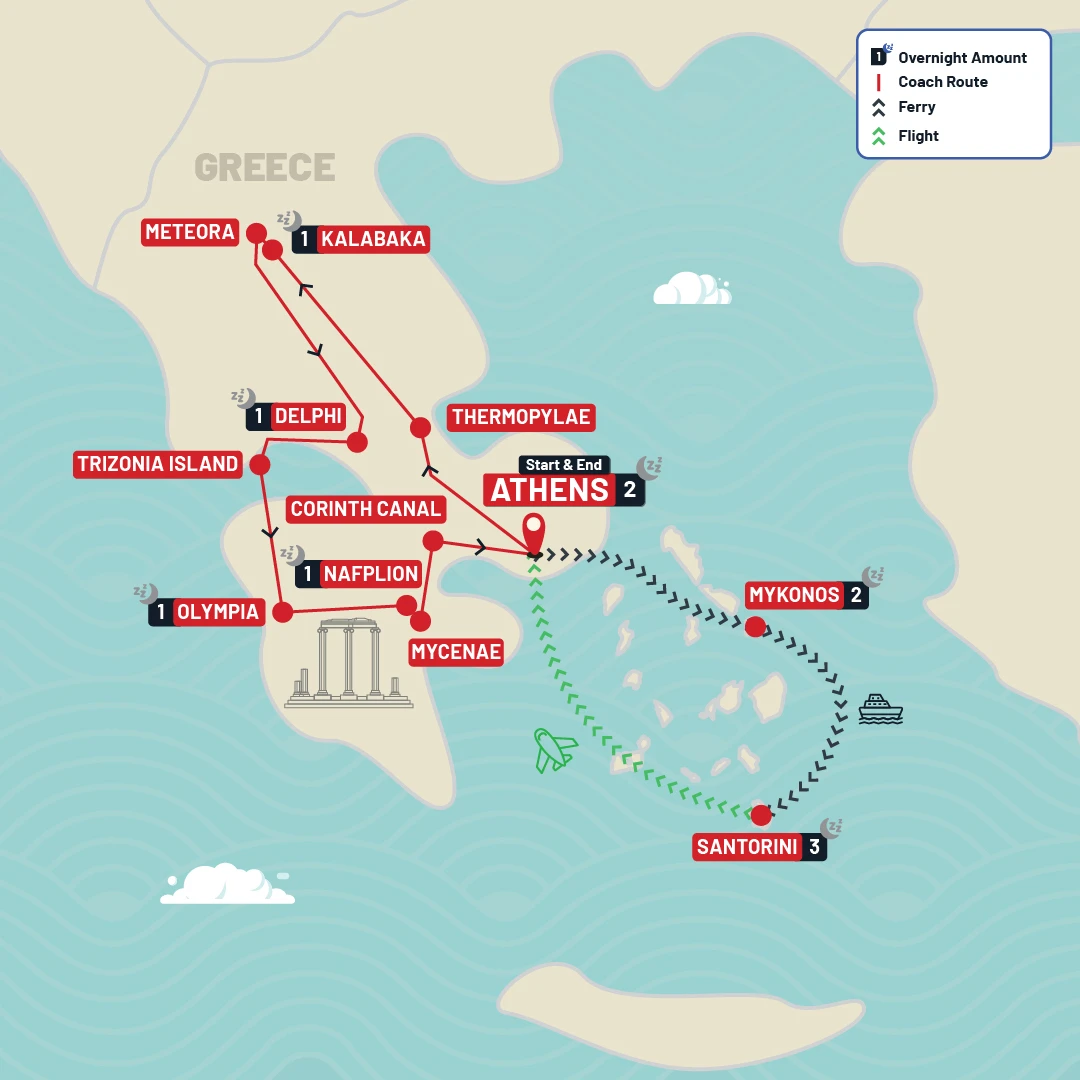
Best of Greece – A comprehensive 12-day tour starts in Athens, where you’ll explore the Acropolis, Ancient Agora, and key museums before heading to Delphi, Meteora, Olympia, and finishing with the islands of Mykonos and Santorini. It’s the perfect introduction to Greece’s mainland and islands.
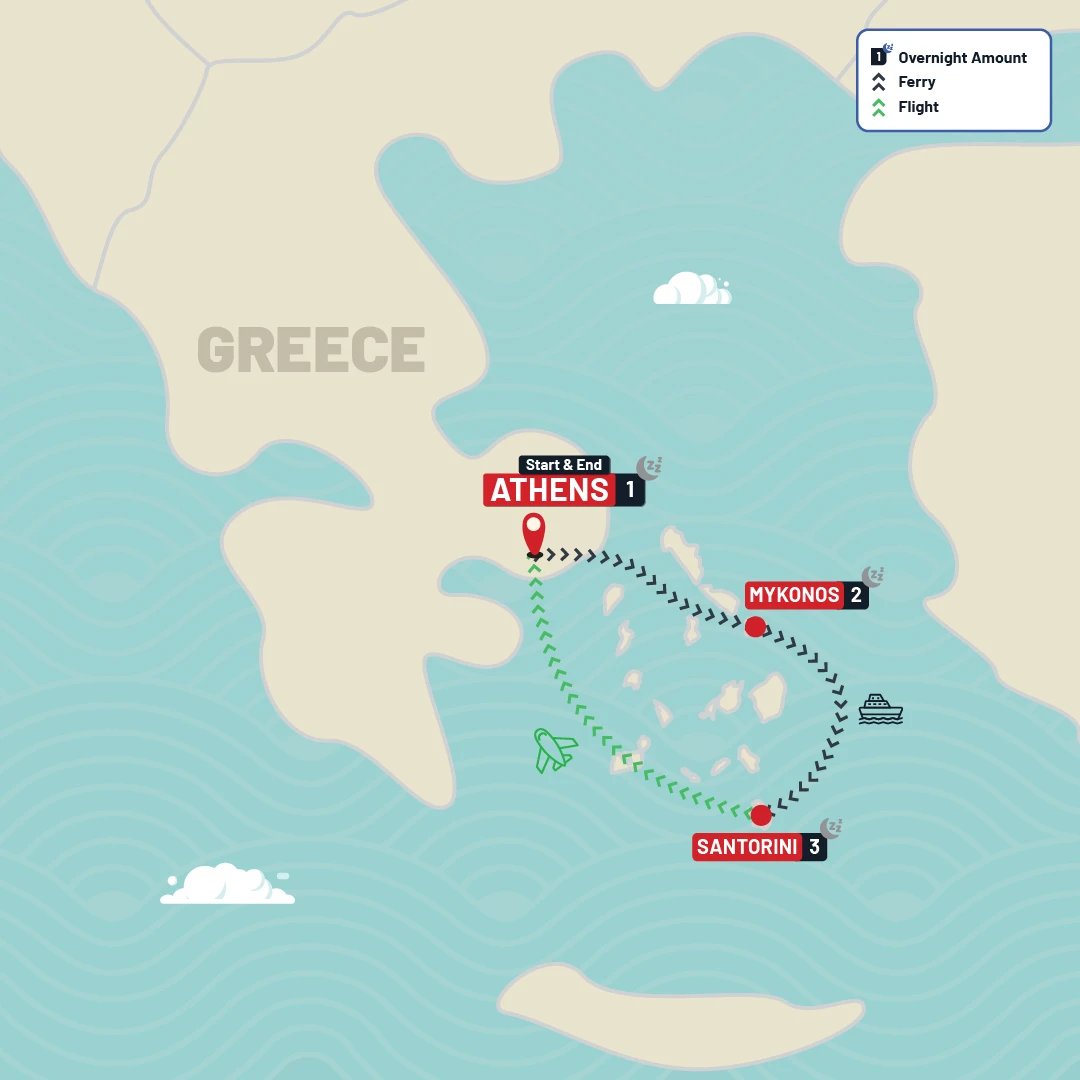
Athens, Mykonos & Santorini – If you have just a week and want to focus on the islands, this 7-day tour covers Athens and the two most iconic Greek islands. After exploring the capital, ferry to Mykonos for beach time and nightlife, then to Santorini for those famous sunsets before flying back to Athens.
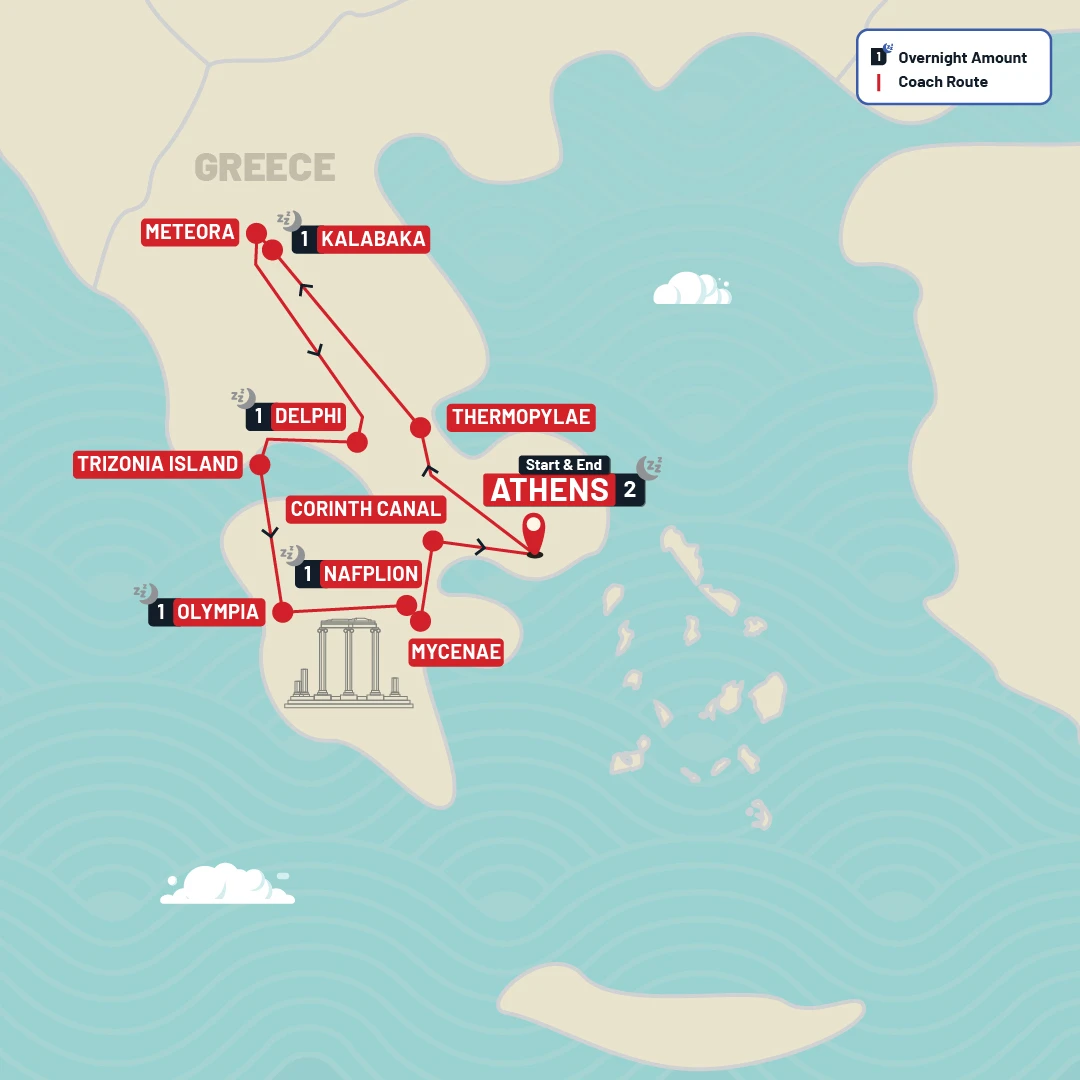
Taste of Greece – Like the idea of exploring the mainland, but would prefer to do the islands on your own? Then join the Taste of Greece tour to see the ancient wonders in Athens, Mycenae, Olympia and Delphi, then return to Athens to continue your Greek getaway.
Conclusion
Athens challenges expectations. It’s not the prettiest city you’ll visit—graffiti covers buildings, infrastructure shows its age, and parts of the city center feel chaotic and neglected. But beneath the gritty surface lies extraordinary depth. Where else can you stand in a 2,500-year-old theater, contemplate philosophy in Socrates’ marketplace, then enjoy world-class food and drinks while gazing at the floodlit Parthenon?
The key to loving Athens is embracing both ancient and modern, accepting imperfections alongside incredible experiences. Yes, the summer heat is oppressive—visit at 8:00 am. Yes, some tourist restaurants are overpriced—that’s why I’ve given you the local favorites. Yes, the city can feel overwhelming—that’s part of its character.
After dozens of visits leading tours, I’ve learned that Athens rewards travelers who look beyond the obvious. The best moments aren’t just standing at the Parthenon (though that’s incredible), but discovering a perfect neighborhood taverna, watching street artists transform blank walls into political statements, drinking coffee with locals in Exarchia, and feeling the weight of history everywhere you walk.
Athens has been continuously inhabited for 7,000 years, survived multiple invasions, spawned democracy and philosophy, produced some of history’s greatest art and architecture, and continues to reinvent itself today. The economic crisis bruised the city but didn’t break its spirit. You’ll see that resilience everywhere—in the entrepreneurs opening innovative restaurants, the artists reclaiming public spaces, the young people choosing to stay and build rather than emigrate.
Give Athens the time it deserves—at least three full days, ideally four or five. Don’t just tick off the ancient sites and rush to the islands. Explore neighborhoods, eat where locals eat, stay up late experiencing the nightlife, and let yourself get lost in the streets of Plaka. Athens isn’t always easy or comfortable, but it’s genuinely fascinating in ways that few European capitals can match.
The city that taught the world democracy, philosophy, and drama still has lessons to teach—about resilience, about finding beauty in imperfection, and about the enduring power of human creativity across millennia. Just remember: arrive at the Acropolis early, eat where I’ve told you to eat, and don’t try to see everything in one day. Athens is best experienced slowly, with breaks for Greek coffee and plenty of water.